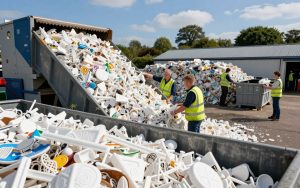
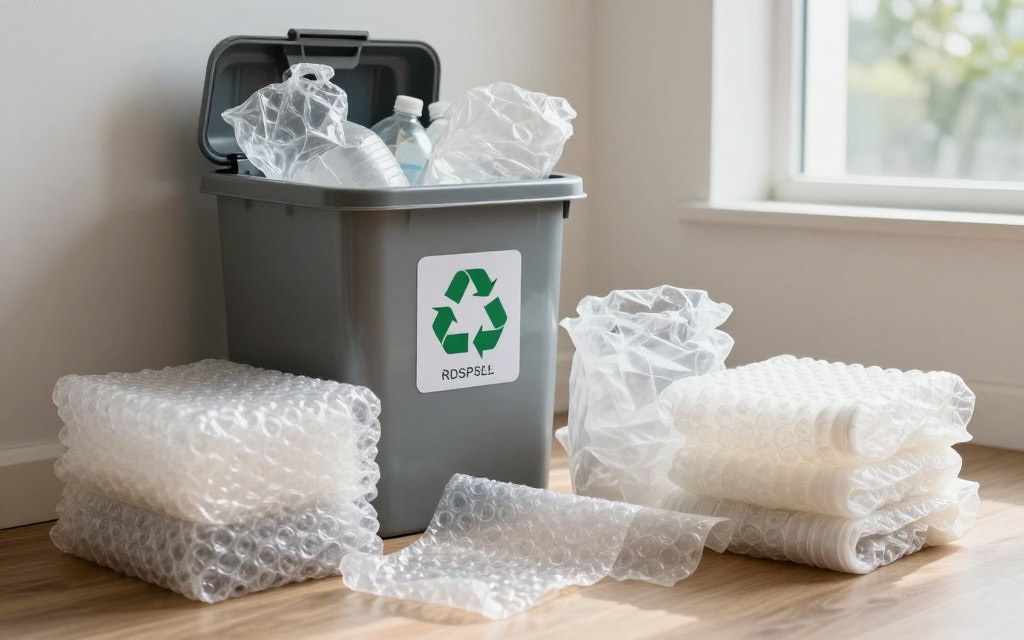

Many people ask, “is bubble packaging recyclable?” Traditional bubble wrap usually uses low-density polyethylene and often carries resin code #4. Most curbside recycling programs do not accept this plastic.
Many people see recycling as the best choice, but rules vary widely by local municipality. Check your area’s guidelines before choosing bubble packaging disposal. In the United States, specialized drop-off programs for plastic films often offer better options for recyclable packaging than curbside collection.
To learn how to dispose of bubble wrap, identify its type and remove labels or other materials. Keep the plastic clean and dry, and reuse it whenever possible to reduce waste. If recycling or reuse is not possible, landfill disposal may be necessary.
Key Takeaways
- Traditional bubble wrap is made from low-density polyethylene, often not recyclable in curbside programs.
- Check local recycling guidelines as they can differ by municipality.
- Specialized drop-off programs for plastic films are often available.
- Always remove labels and keep the material clean and dry before disposal.
- Consider reusing bubble wrap to reduce waste.
What Is Bubble Packaging?
Bubble packaging, often called bubble wrap, is a protective bubble wrap material for fragile items during transit. This plastic film packaging uses air-filled pockets sealed between layers of flexible plastic film, creating cushioning against damage.
Definition and Composition of Bubble Packaging
Conventional bubble wrap mainly uses low-density polyethylene (LDPE), a light and durable plastic. LDPE is flexible and strong, so it suits many protective uses. Special film programs can recycle it, but household recycling bins often exclude it.
Common Uses Across Industries
Industries use bubble packaging in many fields, including:
- E-commerce: To protect items during shipping.
- Retail: For in-store packaging of delicate products.
- Manufacturing: To cushion components during transport.
- Electronics: For safeguarding sensitive devices.
- Moving: To protect personal belongings.
Environmental Impact of Bubble Packaging
The bubble packaging environmental impact remains debated. Its light weight can reduce damage-related waste, which is a major benefit. Yet bubble wrap comes from fossil fuels and is hard to collect through regular recycling systems.
It can also become contaminated and probably will not biodegrade in landfills.
Ultimately, bubble packaging’s environmental performance depends on how people use it. Reuse, proper recycling, and single-use disposal each create different sustainability effects.
Is Bubble Packaging Recyclable?
Is bubble wrap recyclable? Many people ask this while trying to reduce waste. Bubble wrap recycling may exist, but curbside programs often reject it.
Most bubble wrap uses low-density polyethylene (LDPE), which can cause problems during LDPE recycling. Flexible plastic films, including bubble wrap, can jam sorting equipment. They can wrap around conveyor parts and reduce facility efficiency and safety.
Why Bubble Wrap Is Difficult to Recycle
Unlike rigid plastics, bubble wrap is light and flexible. This makes it hard for recycling centers to handle. Sorting machines are built for rigid materials, so soft plastics are difficult to process well.
Because of this, many facilities reject bubble wrap, leaving consumers unsure how to dispose of it.
Types of Bubble Packaging and Their Recyclability
Bubble packaging comes in different types, and their recyclability can vary greatly. Standard polyethylene bubble wrap is often recyclable at special drop-off locations. However, laminated mailers, foil-lined packaging, and paper-plastic composites may not be recyclable.
This difference matters to consumers who want to recycle responsibly.
| Type of Packaging | Recyclable? | Notes |
|---|---|---|
| Standard Polyethylene Bubble Wrap | Yes | Check local drop-off sites |
| Laminated Mailers | No | Composite materials complicate recycling |
| Foil-Lined Packaging | No | Not accepted in most programs |
| Paper-Plastic Composites | No | Usually non-recyclable |
Recycling Symbols and What They Mean
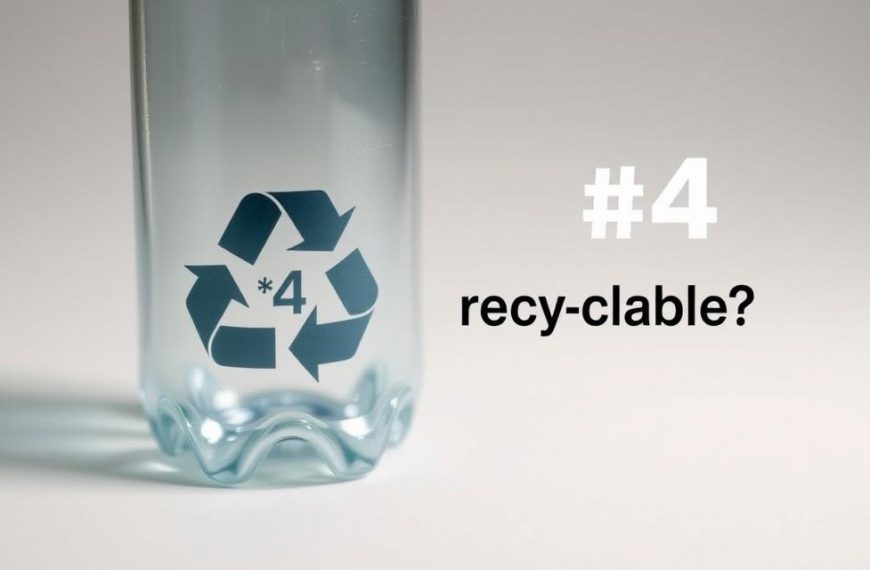
Recycling symbols can help show which materials may be recyclable. The recycling symbol #4 usually identifies LDPE. However, it identifies the plastic resin and does not guarantee local acceptance.
Consumers should confirm the material type and follow local provider instructions. They can also use an approved plastic film recycling drop-off site.
“Recycling is a shared responsibility, and understanding what can be recycled is the first step towards a sustainable future.”
How to Prepare Bubble Packaging for Recycling
To prepare bubble wrap for recycling, remove extra materials first. Proper preparation helps facilities accept it instead of sending it to a landfill.
Step 1: Remove Non-Recyclable Components
Start by carefully removing any non-recyclable components from your bubble packaging. Remove shipping labels, other paper labels, cardboard inserts, tape, adhesive strips, foam pieces, and metal clips. These materials can contaminate recycling, cause rejection, and reduce the chance of recycling.
Step 2: Clean and Dry the Material
Next, make sure the bubble wrap is clean and dry; wipe away dirt, food residue, grease, and moisture. A clean plastic film is crucial for recycling because contaminants can hinder processing. Some air in the pockets is usually acceptable, but dry the material completely before drop-off.
Step 3: Sort by Plastic Type
Finally, sort recyclable packaging by plastic type. Separate ordinary LDPE bubble wrap from multilayer packaging, padded paper mailers, foil laminates, and compostable materials. Check with your local recycling program, then bundle or compress film according to drop-off directions.
These steps improve the chance that your bubble packaging will be accepted for recycling. Preparation matters, but local program rules still apply. For more information on recycling guidelines, check out this resource on recycling practices.
Where to Recycle Bubble Packaging in the United States
Recycling bubble packaging can be tricky, but knowing where to take it makes a real difference. Households and businesses in the United States have several ways to recycle bubble wrap. This guide explains the main options for bubble packaging.
Local Curbside Recycling Programs
Many municipalities offer curbside recycling, but most do not accept bubble wrap or other plastic films. Before placing bubble packaging in your bin, check your local waste management department or municipal recycling website. They provide current lists of accepted materials and specific rules.
Specialized Drop-Off Locations
If curbside recycling is unavailable, specialized drop-off locations may be your next choice. These sites often accept polyethylene film, including bubble wrap. Search for recycle bubble wrap near me options, including plastic film drop-off sites.
- Retail Stores: Many grocery and retail stores have plastic film drop-off bins. Always verify that bubble wrap is included in their accepted materials.
- Collection Sites: Some community centers or recycling facilities offer drop-off services specifically for plastic films.
Before you go, check whether the site or store take-back recycling program accepts bubble wrap.
Mail-Back Recycling Programs
People without convenient local options can use mail-back recycling programs. These programs let you send bubble packaging to designated facilities for recycling. Mail-in recycling programs offer another option when nearby sites are unavailable.
- Review Accepted Materials: Always check the list of materials accepted by the program.
- Understand Fees: Some programs may charge fees for shipping or processing.
- Follow Packaging Instructions: Properly package your bubble wrap according to the program’s guidelines to avoid contamination.
Contact the provider directly with questions. Contamination can cause the rejection of entire collections.
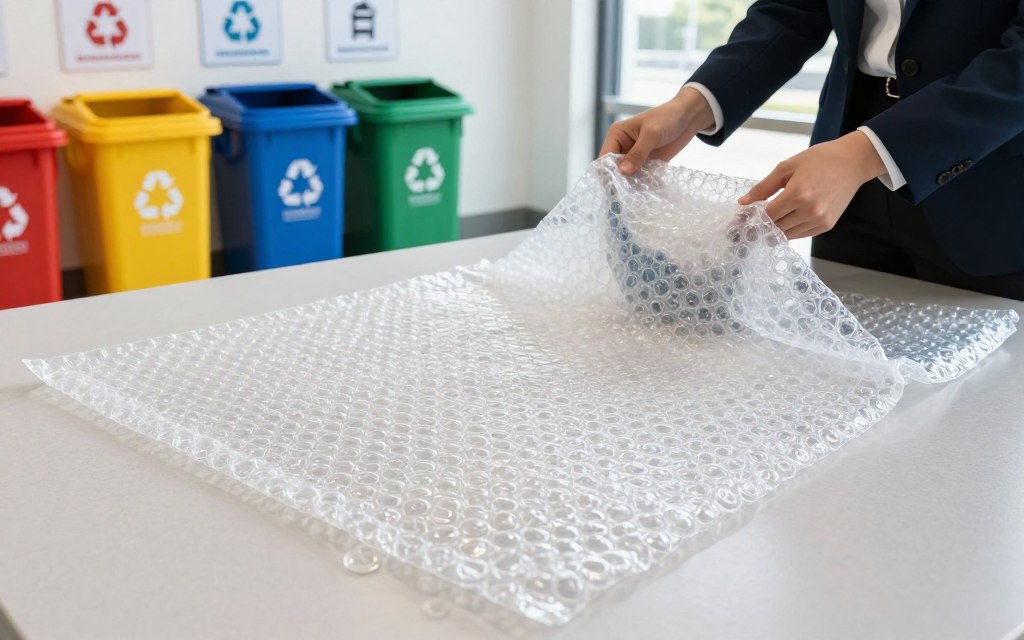
These recycling pathways help you dispose of bubble packaging properly. For more information on recycling bubble mailers and other materials, visit this resource.
Alternatives to Recycling: Reusing Bubble Packaging
Reusing bubble packaging can save money and help the environment. Sustainable packaging reuse offers practical benefits at home or work. Bubble wrap has many useful purposes beyond recycling.
Storage and Moving Applications
Bubble wrap works well as moving supplies for protecting fragile items. Use it to cushion dishes, glassware, holiday decorations, and electronics during transport. Secure wrapping helps prevent breakage and keeps items safe during delivery.
Shipping Protection for Small Businesses
Small businesses can reuse bubble wrap for customer orders. It provides reusable shipping materials that protect products during shipping. Use it for returns, inventory transfers, and protective inserts; keep it clean and useful for a professional appearance.
Creative DIY Uses at Home
Bubble wrap supports creative projects at home, not just shipping. Here are some practical ideas:
- Lining storage containers to keep items organized and cushioned.
- Protecting plants from cold conditions by wrapping them during chilly nights.
- Cushioning tools in storage to prevent damage.
- Safeguarding delicate craft projects from bumps and scrapes.
Before you reuse bubble wrap, inspect it for tears, crushed bubbles, moisture, or contamination. Do not present worn material as new protective packaging. Reusing bubble wrap can reduce plastic waste and extend its useful life.
“Reusing materials is one of the simplest ways to reduce our environmental footprint.”
| Use Case | Description | Benefits |
|---|---|---|
| Moving Supplies | Wrap fragile items for transport. | Prevents breakage and saves money. |
| Shipping Protection | Use for customer orders and returns. | Cost-effective and professional appearance. |
| Creative Projects | DIY crafts and home organization. | Encourages creativity and reduces waste. |
For more sustainable packaging options, explore sustainable alternatives to bubble wrap.
How to Dispose of Bubble Packaging When Recycling Isn’t an Option
Knowing how to dispose of bubble wrap responsibly matters when recycling is not possible. Follow local rules when placing clean bubble packaging in regular household trash, a source of landfill waste. Group loose pieces to prevent litter, and keep plastic film out of curbside recycling carts because it can damage sorting equipment.
For hazardous packaging disposal, handle some materials with care. Ordinary bubble wrap is usually not hazardous household waste. Packaging with chemicals, pesticides, medical materials, oils, or unknown substances may need special guidance, so check local rules.
Do not put conventional polyethylene bubble wrap in home compost bins because it does not biodegrade. Certified compostable bubble wrap exists, but you must distinguish it from standard bubble wrap. Add certified products only to systems that accept them; certification and local acceptance are both required.
| Disposal Method | Guidelines | Considerations |
|---|---|---|
| Landfill Disposal | Dispose of in regular trash, following local rules. | Consolidate loose pieces to prevent litter. |
| Hazardous Waste | Check for contamination; follow local guidelines. | Seek specialized disposal for contaminated materials. |
| Composting | Avoid placing standard bubble wrap in compost bins. | Use certified compostable bubble wrap only in accepted systems. |
Eco-Friendly Alternatives to Bubble Packaging
Many businesses now seek eco-friendly packaging alternatives as plastic waste harms the environment. These choices can lower packaging waste and reduce environmental harm.
Biodegradable Bubble Wrap
Biodegradable bubble wrap is a promising form of biodegradable packaging. It often uses plant-based films or additives that break down more naturally than traditional plastic. Check recognized certifications, local disposal rules, and access to industrial composting because products differ.
Paper-Based Cushioning Materials
Paper cushioning offers another effective alternative, including kraft paper, molded paper pulp, and corrugated inserts. These materials protect products, while shredded paper works as a lightweight filler. They often fit paper recycling streams when clean and accepted locally.
Reusable Packaging Solutions
Reusable packaging offers a long-term path to sustainability. Fabric pouches, molded reusable inserts, and returnable shipping containers can greatly reduce waste. Durable plastic totes are also an excellent choice for businesses that value long-lasting sustainable shipping supplies.
Businesses should evaluate the full packaging life cycle. Consider material sourcing, product protection, reuse potential, shipping weight, contamination, and end-of-life infrastructure. Match each alternative to the product and disposal system, rather than trusting environmental marketing claims.
Common Mistakes to Avoid When Disposing of Bubble Packaging
Bubble wrap disposal mistakes can harm recycling efforts. Improper disposal may cause contamination and make materials harder for facilities to process. Avoid these common errors:
Mixing Bubble Wrap with Regular Plastic Recycling
Do not place bubble wrap in standard curbside recycling bins. Most such programs do not accept it. Mixing it with regular plastics can cause recycling contamination and compromise an entire batch.
Ignoring Local Recycling Guidelines
Recycling rules vary across U.S. cities and counties. A material accepted in one place may be banned in another. Check your area’s guidance and follow local recycling rules.
Using Non-Recyclable Additives
Some bubble wrap has foil layers, heavy adhesives, or mixed-material laminates. These non-recyclable packaging materials may make the whole package unsuitable for recycling. Inspect bubble wrap for additives before disposal.
Use this checklist for responsible disposal:
- Identify the material type.
- Remove any attachments or non-recyclable components.
- Clean and dry the bubble wrap.
- Verify local acceptance of bubble wrap for recycling.
- Consider reusing it when possible.
- Dispose of it responsibly when no approved option exists.
Conclusion
Is bubble packaging recyclable? This question matters for responsible packaging disposal. Traditional bubble wrap often is not accepted in curbside recycling programs. Clean bubble wrap should be reused first.
If reuse fails, prepare the material for recycling. Remove non-recyclable parts, and keep the wrap clean and dry.
When local recycling is unavailable, use bubble wrap recycling options like mail-back programs or specialized drop-off locations. Check with your municipality or collection provider for accepted disposal methods. The recycling symbol shows the plastic type but does not guarantee local acceptance.
By using sustainable waste management practices, you help create a healthier environment. Choose packaging systems that support repeated use and responsible end-of-life management. This approach reduces waste and supports a more sustainable future for everyone.

 By
By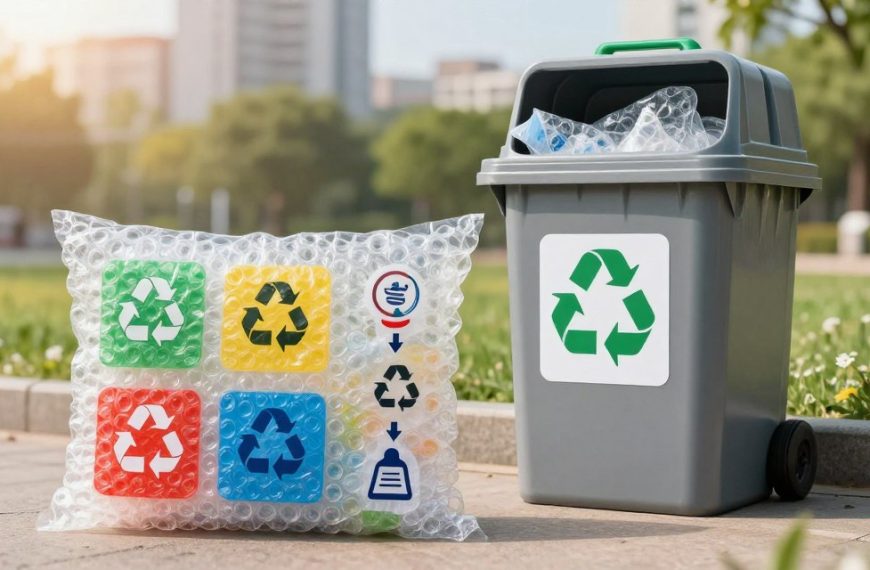
 By
By
 By
By