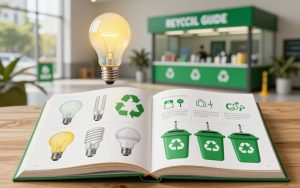
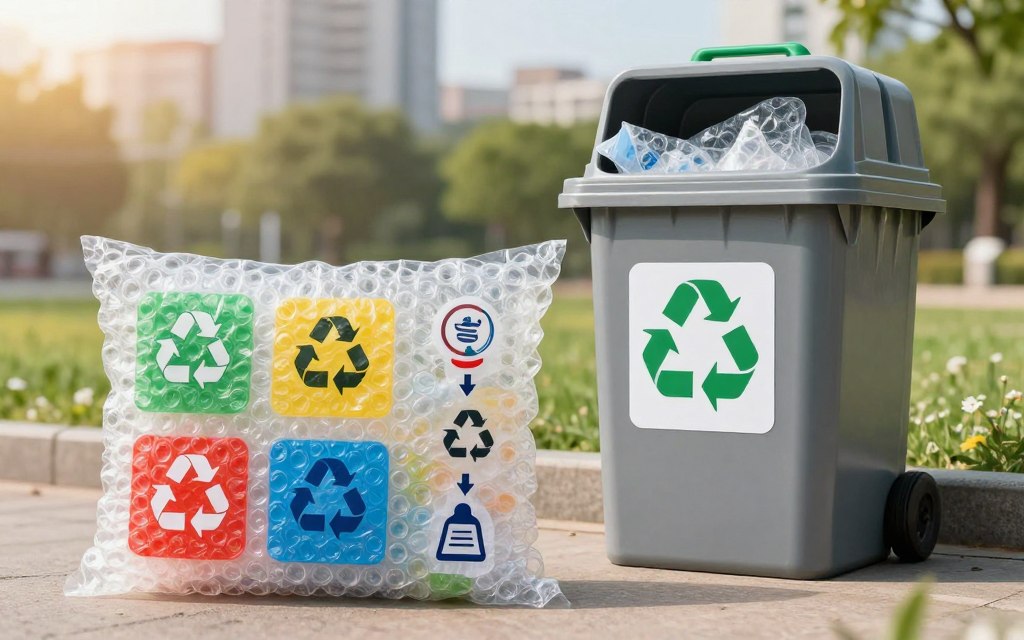

If you ask, can you recycle bubble wrap, the answer is not simple. Bubble wrap usually contains low-density polyethylene, a type of plastic film. Most curbside programs reject it because it can jam sorting machines and contaminate other recyclable materials.
In the United States, rules vary by city, county, and waste hauler. Check local guidelines before putting bubble wrap in your recycling bin. This article explains bubble wrap recycling, its features, local rules, and proper disposal methods.
You can use retailer drop-off programs or specialized plastic-film recycling facilities to recycle packing materials. Reuse or donation can extend this packing material’s life. If none are available, regular trash may be the last resort for bubble wrap disposal.
Key Takeaways
- Bubble wrap is generally not accepted in curbside recycling.
- Check local recycling guidelines for specific rules.
- Consider retailer drop-off programs for plastic film.
- Explore reuse or donation options before disposal.
- Regular trash may be necessary if no recycling options exist.
What Is Bubble Wrap and Why Recycling It Matters
What is bubble wrap? It is a flexible packaging material made by sealing air between thin plastic film layers. Those air pockets cushion fragile items during shipping, storage, moving, and electronics packaging.
Bubble wrap usually contains polyethylene. It may also include additives, printed layers, adhesive labels, or laminated materials. These features can change recycling options, so they matter for plastic film recycling.
Recycling bubble wrap matters because it helps address plastic waste. Although lightweight, bubble wrap can remain in the environment for a long time. It often cannot enter standard mixed-recycling systems, making proper disposal difficult.
Reduce use, reuse packaging, and recycle it after its useful life. Recycling helps, but it should not always be your first choice. Save clean wrap for shipments or offer it to local businesses; keep it from curbside carts unless locally allowed.
Here is a quick comparison of ways to handle bubble wrap:
| Method | Description | Environmental Impact |
|---|---|---|
| Reduce | Minimize the use of bubble wrap by opting for alternative packaging. | Low impact; prevents waste generation. |
| Reuse | Use bubble wrap multiple times for shipping or storage. | Moderate impact; extends the life of the material. |
| Recycle | Process bubble wrap through designated recycling programs. | High impact; reduces landfill waste but requires proper systems. |
Good practices can reduce the environmental impact of bubble wrap. Choosing recyclable packaging can also limit waste. Recyclability depends on the collection system, not only the resin used to make the product.
Can You Recycle Bubble Wrap? Understanding the Basics
Can you recycle bubble wrap? The answer depends on your local program. Bubble wrap is technically recyclable, but most United States curbside bins do not accept it. Municipal programs and plastic-film programs use different acceptance standards.
Learning how to recycle bubble wrap starts with checking local collection options. A recyclable item may lack a collection route or processing facility nearby. If your program rejects bubble wrap, it will likely go to a landfill.
Is bubble wrap recyclable? A recycling symbol does not guarantee curbside acceptance. Loose bubble wrap can tangle conveyor belts and disrupt sorting equipment. These problems can slow operations at materials recovery facilities.
Clean, dry, uncontaminated bubble wrap may be accepted at plastic-film drop-off programs. Dirty, wet, or heavily taped pieces will likely be rejected. Check your city’s recycling webpage or ask your waste hauler for specific guidelines.
Local instructions override general guidance. Bubble wrap differs from rigid plastic containers, including bottles and tubs. These items often follow different curbside recycling rules.
Identifying Bubble Wrap Recycling Symbols and Plastic Types
Knowing how to spot a bubble wrap recycling symbol can improve your recycling efforts. Inspect bubble wrap for plastic recycling codes or manufacturer marks. These symbols show the material and whether recycling may be possible.
Understanding the LDPE Resin Code (#4)
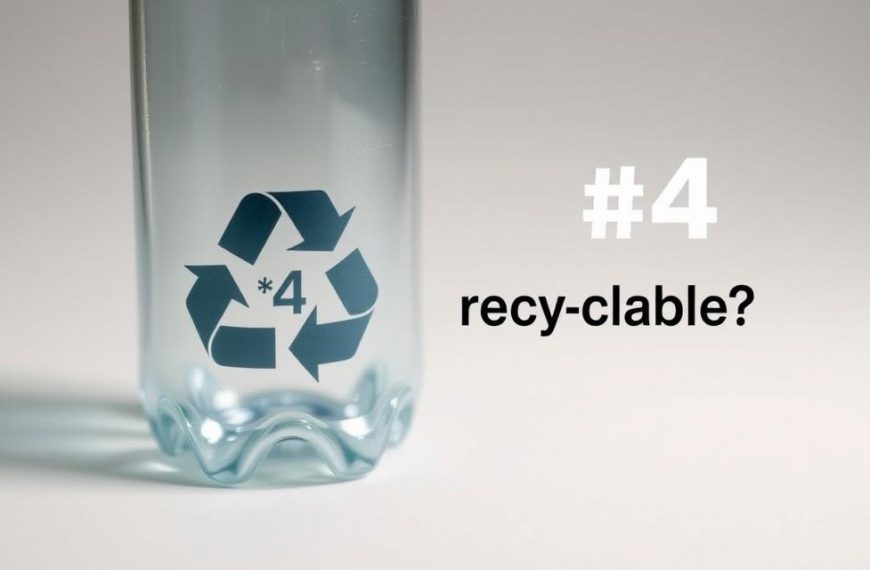
The LDPE resin code, shown as the number 4, often appears on bubble wrap. It identifies low-density polyethylene, a flexible plastic used in packaging. However, this plastic resin identification code does not guarantee local recycling.
Each recycling facility sets its own rules about accepted materials. LDPE differs from rigid plastics, which many programs recycle more easily.
Flexible films usually need separate collection and processing systems for LDPE recycling. Check local guidelines before recycling bubble wrap.
Other Plastic Codes Found on Bubble Wrap
Some bubble wrap may show other plastic recycling codes. These codes can identify different polyethylene types or multilayer films. Coatings, adhesive surfaces, or printed sections may make recycling harder.
If no symbol appears, or the code is hard to read, use caution. Consult your local recycling program about unidentified or composite packaging. Before recycling, follow these practical steps:
- Remove any labels and loose tape.
- Ensure the film is clean and dry.
- Identify whether it is plain bubble wrap or a padded mailer with mixed materials.
- Separate incompatible materials to avoid contamination.
The receiving facility’s rules decide whether you can recycle bubble wrap. Check its instructions so your efforts support recycling programs.
How to Recycle Bubble Wrap: Step-by-Step Instructions
Learning how to recycle bubble wrap is easy when you follow a few clear steps. Knowing how to prepare bubble wrap for recycling helps facilities process it efficiently. These bubble wrap recycling instructions explain the process.
Step 1: Deflate the Bubble Wrap
First, deflate the bubble wrap. Flattening it reduces volume, making storage and transport easier. If your local facility accepts intact pieces, you can skip this step, but check its guidelines.
Step 2: Separate It from Other Materials
Next, separate the bubble wrap from other materials. Remove cardboard boxes, paper inserts, foam, labels, tape, staples, and non-film components. Keep it clean and dry because food residue, grease, dirt, moisture, or chemical contamination can cause rejection.
Padded envelopes, metallized mailers, and laminated packaging may need different disposal methods. Follow your area’s guidelines.
Step 3: Find a Local Drop-Off Location
Find a plastic film drop-off location through municipal websites, county waste directories, or recycling company instructions. Participating retail stores often collect plastic film, including bubble wrap. Confirm that the site accepts bubble wrap because not all plastic-bag collection points do.
Step 4: Place It in the Correct Recycling Bin
At the drop-off site, follow the posted instructions carefully. Some sites require loose film, while others use special containers or collection bags. Do not place bubble wrap in standard curbside carts unless accepted; keep non-accepted materials out of the collection stream.
If you cannot find a verified recycling route, reuse or donate the bubble wrap. Otherwise, dispose of it under local trash rules.
| Step | Action | Notes |
|---|---|---|
| 1 | Deflate the Bubble Wrap | Flatten to reduce volume, unless facility accepts intact pieces. |
| 2 | Separate from Other Materials | Remove labels, tape, and any non-film components. |
| 3 | Find a Local Drop-Off Location | Check local resources to ensure acceptance of bubble wrap. |
| 4 | Place in the Correct Bin | Follow specific instructions at the drop-off site. |
Where to Recycle Bubble Wrap in the United States
If you need to know where to recycle bubble wrap, several options exist across the United States. Knowing where to take it can reduce plastic waste and support recycling. Here are the main choices.
Retail Store Drop-Off Programs
Many retailers offer drop-off programs for plastic bags and flexible films, including bubble wrap. Acceptance varies by store. Some accept only clean plastic bags, while others include bubble wrap in their recycling programs.
Before visiting, check the container instructions or contact customer service. This shows which materials each store accepts, since some exclude padded mailers or heavily printed bubble wrap.
Curbside Recycling Collection Services
Most standard curbside programs accept rigid containers, cardboard, paper, metal, and glass. They often reject loose plastic films, such as bubble wrap. However, some communities offer separate plastic-film collection or special pickup events.
To learn whether your area offers these services, contact local government or your waste hauler. Search recycle plastic film near me to find local options. They can explain whether curbside bubble wrap collection is available.
Specialized Recycling Centers and Mail-Back Programs
Specialized recycling centers may help people with large quantities of bubble wrap. These facilities often accept clean polyethylene film, including bubble wrap. Some mail-back programs serve businesses or households with large amounts of material.
Before using a mail-back program, verify its costs, shipping instructions, minimum quantities, and accepted materials. To find bubble wrap recycling locations, enter your city and state in a municipal recycling directory. You can also call your local solid-waste department or search for plastic-film drop-off locations.
Recycling availability can change often. Always check current local instructions for reliable information about U.S. recycling programs.
Reusing Bubble Wrap: Sustainable Alternatives
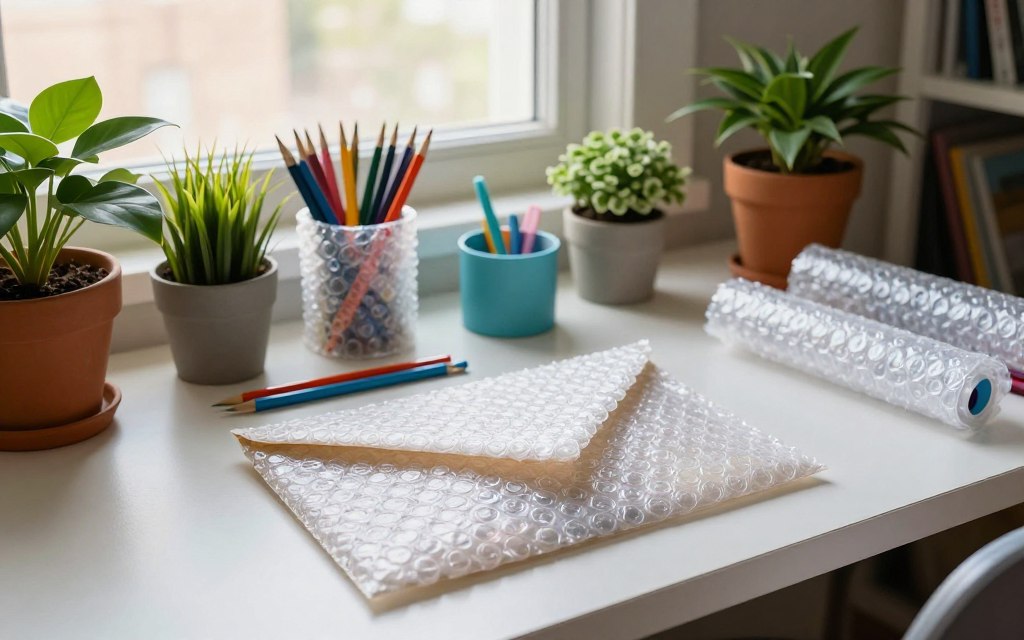
Reuse bubble wrap to support sustainability. This versatile material works at home and in offices, reducing waste and saving money.
Practical Reuse Ideas for Home and Office
Clean, intact bubble wrap can serve many purposes. These eco-friendly bubble wrap uses include:
- Protecting dishes and glassware during moves.
- Safeguarding framed artwork and small electronics.
- Wrapping ornaments and delicate items for storage.
- Insulating plants during short moves or cold weather.
- Organizing tools or fragile items in cabinets and boxes.
Store bubble wrap flat or loosely rolled in a dry place. Keep it away from heat and sharp objects. Do not use damaged wrap where failure creates safety risks, and keep it away from children and pets because it can cause choking.
In offices, create a designated area for packaging reuse. This space lets staff save suitable materials for outgoing shipments and builds a sustainable workplace.
Donating Bubble Wrap to Local Businesses and Charities
You can also donate packing materials to extend bubble wrap’s useful life. Before delivering materials, contact local businesses such as:
- Independent shipping stores
- Moving companies
- Thrift stores and libraries
- Artists and community theaters
- Animal shelters and nonprofit organizations
Donate only clean, dry, usable bubble wrap. Ask whether the organization needs it, since storage space may be limited. Donation does not replace recycling for contaminated materials.
For future purchases, consider sustainable packaging alternatives. Options include recycled-content paper cushioning, reusable packing blankets, and right-sized boxes. Choose based on the product, shipping distance, breakage risk, and reuse potential.
Common Bubble Wrap Recycling Mistakes to Avoid
Understanding bubble wrap disposal mistakes helps prevent recycling contamination. Do not put bubble wrap in recycling; check local rules first. Here are common errors to avoid:
- Putting Loose Bubble Wrap in Curbside Bins: When bubble wrap is placed in regular curbside recycling bins, it can wrap around sorting machinery. This can cause delays in operations and contaminate otherwise recyclable loads.
- Relying Solely on the #4 Resin Code: Just because bubble wrap has a recycling symbol or the #4 resin code does not mean it is accepted everywhere. Always check local acceptance rules.
- Combining Bubble Wrap with Other Materials: Mixing bubble wrap with cardboard, paper, or food packaging can lead to contamination. Drop-off programs often accept only clean polyethylene film.
- Submitting Dirty or Contaminated Materials: Bubble wrap that is wet, greasy, or chemically contaminated may be rejected. Always ensure the material is clean.
- Placing Bubble Wrap in Compost Bins: Bubble wrap is not compostable. It should never be placed in compost bins.
- Improper Disposal Methods: Burning plastic packaging, burying it, or leaving it outdoors is harmful. These actions can lead to environmental pollution.
Forcing rejected materials into a drop-off container can contaminate the entire collection. This recycling contamination could end the program. Ask the facility how to handle uncertain items instead of guessing.
Start by reusing clean bubble wrap when possible. If reuse is not possible, verify a specialized recycling route. Use regular trash only when no appropriate recovery or reuse options exist, and local rules permit that disposal method.
The Environmental Impact of Bubble Wrap Waste
The environmental impact of plastic packaging, including bubble wrap, is significant but often overlooked. Making and disposing of it creates challenges for sustainable waste management. Its production uses fossil-based raw materials and considerable energy, which harms the environment.
Bubble wrap can protect products and reduce breakage, but its benefits depend on reuse. Without proper reuse, this light material can add to bubble wrap waste. In landfills, it can last hundreds of years and break into smaller plastic particles that pollute.
Recycling bubble wrap can conserve materials and help reduce plastic waste. Yet, recycling works only when legitimate collection and processing routes exist. Moving small amounts long distances can reduce recycling’s practical benefits.
To reduce the environmental impact of plastic packaging, follow this waste hierarchy:
- Avoid unnecessary packaging.
- Use the minimum protective material required.
- Reuse packaging whenever possible.
- Select recyclable or reusable alternatives where suitable.
- Recycle through verified programs.
Businesses can help by measuring packaging use, right-sizing shipments, and training staff to sort materials. Households should combine shipments, save undamaged packaging, and check local disposal rules.
Packaging should protect products while helping reduce plastic waste. For more insights on recycling plastic and reducing waste, visit this resource.
| Impact | Description | Solution |
|---|---|---|
| Manufacturing Waste | High energy consumption and resource depletion. | Opt for recycled materials. |
| Landfill Persistence | Can take hundreds of years to decompose. | Encourage recycling programs. |
| Pollution | Fragmentation into microplastics. | Support clean-up initiatives. |
Conclusion
Understanding bubble wrap recycling supports responsible waste management and responsible recycling. The answer to “can you recycle bubble wrap?” often depends on local recycling programs. Many municipalities reject bubble wrap in curbside bins because its soft plastic can disrupt recycling machinery.
Follow bubble wrap disposal tips: keep it clean, dry, and empty before exploring recycling options.
Before sending bubble wrap to a recycling facility, check local drop-off sites or specialized recycling programs. Verify details with your local municipality or waste hauler because recycling rules can vary widely. For more information, refer to recycling guidelines that apply in your area.
Besides recycling, reuse bubble wrap whenever possible to reduce packaging waste. Donating usable materials to local businesses or charities offers another sustainable choice. Reuse and responsible recycling support a more sustainable future.
Remember, the recycling symbol or LDPE code #4 does not guarantee acceptance everywhere. Always stay informed about the options available in your community.

 By
By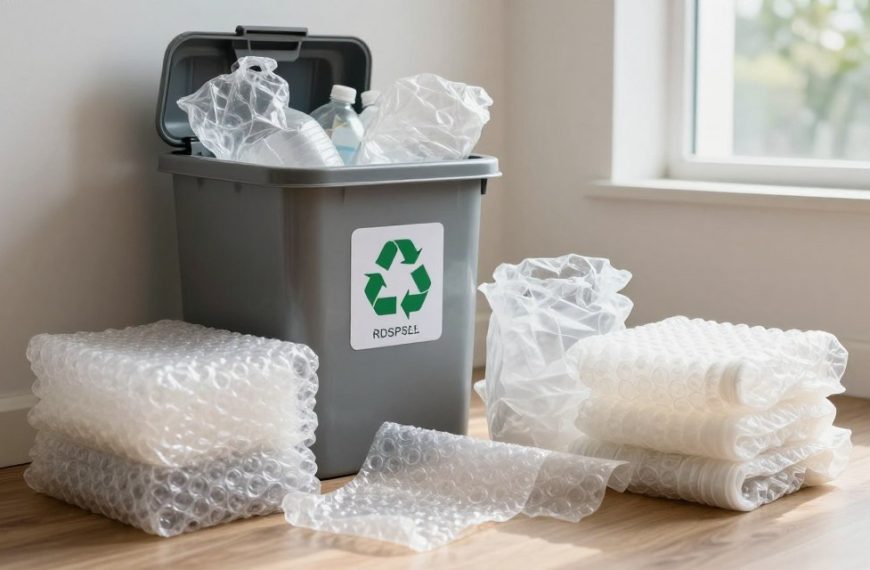
 By
By
 By
By