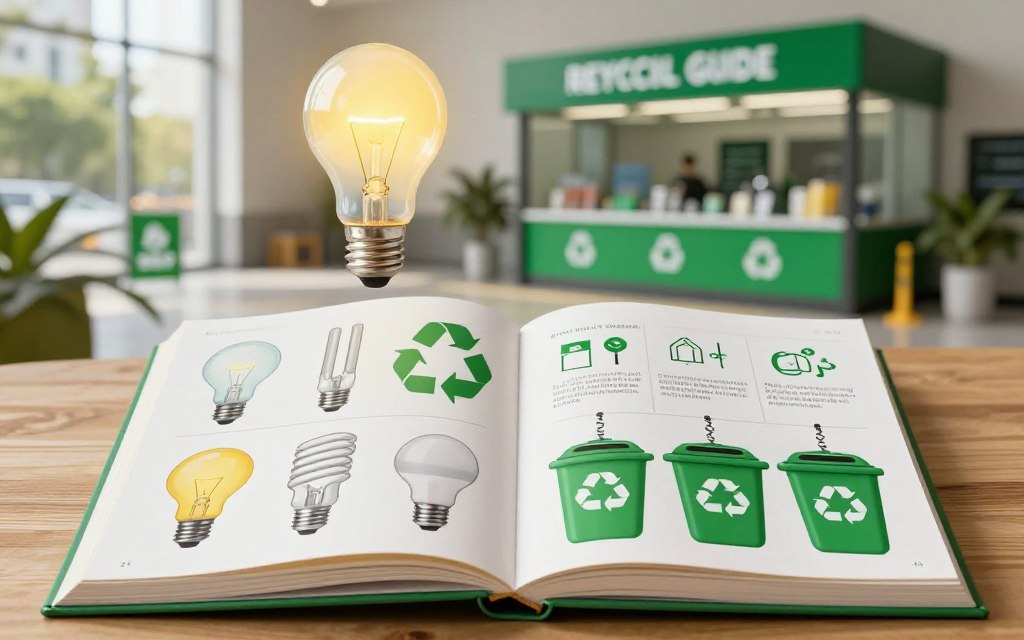

Responsible bulb disposal protects the environment and keeps people safe. To learn how to recycle light bulbs, first identify each bulb type. Fluorescent bulbs may contain small amounts of mercury, so handle them with care.
This light bulb recycling guide explains safe disposal for several bulb types. You will learn how to identify bulbs, package them safely, and find recycling locations. It also covers broken bulbs and rules for businesses.
To recycle light bulbs, UK residents should check their local council or household waste recycling center first. Services can vary greatly by location. Keep used bulbs separate until you confirm an approved recycling route for safe light bulb disposal.
Key Takeaways
- Understand the importance of proper bulb disposal.
- Different bulb types have specific recycling requirements.
- Fluorescent bulbs contain mercury and need careful handling.
- Always check local regulations for recycling options.
- Keep used bulbs separate until you find a safe disposal method.
Why Recycling Light Bulbs Matters for the Environment and Safety
Recycling light bulbs offers important environmental benefits of bulb recycling and improves safety. Improper disposal adds significant landfill waste, clutters the environment, and wastes materials that could be reused.
Some bulbs, especially compact fluorescent lamps (CFLs), contain hazardous materials. These bulbs contain small amounts of mercury; mercury in fluorescent bulbs can harm health if released. Proper recycling keeps mercury from contaminating soil and water.
Recycling recovers useful materials, including glass and metals, for new products. This saves natural resources and lowers energy use. In fact, it helps reduce landfill waste and supports a more sustainable future.
Recycling facilities safely handle broken glass and sharp fragments. This prevents injuries when these materials enter standard waste streams. Proper protocols also ensure that hazardous household waste is disposed of responsibly.
Use authorized collection routes and follow packaging instructions when recycling light bulbs. Do not place unsuitable bulbs in curbside recycling bins. This can cause contamination and make recycling harder.
Understanding the Different Types of Light Bulbs
Each of the main types of light bulbs has unique features that affect recycling. Knowing these differences helps you make informed disposal choices. The sections below explain common bulb types.
Incandescent Bulbs
Incandescent bulbs are traditional bulbs used for over a century. They usually lack hazardous materials, such as mercury, but contain mixed materials. These materials often cannot enter curbside glass recycling programs. Proper incandescent bulb disposal means checking local recycling facilities for their specific guidelines.
Halogen Bulbs
Halogen bulbs are incandescent bulbs that use halogen gas to improve efficiency. They give bright light, but heat-resistant parts can contaminate glass recycling streams. Keep them out of ordinary glass recycling, and check local guidelines for halogen bulb recycling.
Compact Fluorescent Lamps (CFLs)
CFLs save energy but contain small amounts of mercury, making them hazardous waste. They require special handling and approved recycling routes. Many retailers and local waste facilities offer drop-off programs for CFL recycling.
LED Bulbs
LED bulbs are long-lasting and use energy efficiently. Their electronic components should not go into regular trash. Use electrical or e-waste recycling when accepted, and check local guidelines for LED bulb recycling.
Specialty and Tube Bulbs
Specialty bulbs, including fluorescent tubes and neon-style products, need specific handling because of their materials. High-intensity discharge lamps also belong in this category. These bulbs may require a specialized facility; verify local requirements for fluorescent tube recycling.
How to Recycle Light Bulbs: A Step-by-Step Guide
Learning how to recycle light bulbs step by step helps protect our environment. Follow these simple steps to dispose of used bulbs safely and responsibly. This guide explains the recycling process.
Step 1: Identify the Bulb Type
First, identify the bulb type. Different bulbs need different disposal methods. Common types include:
- Incandescent Bulbs
- Halogen Bulbs
- Compact Fluorescent Lamps (CFLs)
- LED Bulbs
- Specialty and Tube Bulbs
Step 2: Safely Package the Bulb
After identifying the bulb, learn how to package light bulbs for recycling. Handle each bulb carefully to prevent breakage. Use the original package, or place loose bulbs in a rigid container or protective material.
Step 3: Locate a Recycling Facility
Next, find a light bulb recycling facility. Search your local council website, visit a household waste recycling center, or check retailer take-back programs. Specialized electrical recycling services may also accept bulbs, but check accepted types and instructions first.
Step 4: Drop Off or Schedule a Collection
Confirm the facility’s opening hours, quantity limits, and booking requirements. Some facilities offer electrical waste collection, while others require drop-off. Never mix bulbs with curbside recycling unless your local authority allows it.
| Bulb Type | Packaging Instructions | Recycling Facility Options |
|---|---|---|
| Incandescent | Wrap in newspaper | Local council, waste recycling centers |
| Halogen | Keep in original packaging | Retailer take-back programs |
| CFL | Use a rigid container | Specialized electrical recycling services |
| LED | Wrap in protective material | Local council, waste recycling centers |
| Tube Bulbs | Use original packaging or sturdy box | Retailer take-back programs |
For more detailed bulb disposal instructions, visit local council websites and approved recycling facilities. These steps support a cleaner, safer environment.
Where to Find Light Bulb Recycling Points in the UK
UK residents can find light bulb recycling points UK through several safe disposal services. Knowing where to go helps ensure used bulbs receive proper recycling. Main options include local council recycling, HWRCs, and retailers.
Local Council Collection Points
Many councils provide local council recycling points for used bulbs. Check your council’s waste and recycling pages for approved services. These pages often list:
- Drop-off locations
- Special collections for hazardous waste
- Accepted bulb categories
Availability and accepted materials can vary by council. Confirm the details before visiting.
Household Waste Recycling Centres
Household Waste Recycling Centres (HWRCs) offer another way to recycle light bulbs. Some accept different lamps and electrical items, but may use separate containers for each bulb type. Before visiting, check whether fluorescent tubes, CFLs, LEDs, and other bulbs need separate handling.
- Appointments are necessary
- Proof of address is required
- There are vehicle restrictions or quantity limits
Retailer Take-Back Programs
Many lighting retailers and electrical stores offer retailer light bulb recycling through take-back programs. When buying replacements, you may return old bulbs for recycling. Stores may not accept every bulb type, so check their current policy and electrical recycling drop-off options before travelling.
- Retailers are not obligated to accept every bulb type at every location
- Policies may vary, so contacting the store or checking its current policy before traveling is advisable
| Recycling Point Type | Examples | Notes |
|---|---|---|
| Local Council Collection Points | Local council websites | Check for specific drop-off locations |
| Household Waste Recycling Centres | Local HWRCs | Confirm accepted bulb types |
| Retailer Take-Back Programs | Lighting retailers, electrical stores | Contact stores for specific policies |
Safety Tips for Handling Broken or Used Bulbs
When handling broken or used light bulbs, safety should always come first. Whether bulbs are intact or broken, follow proper steps to prevent accidents and health risks.
For safe handling of light bulbs, switch off the fitting and let intact bulbs cool before handling. Always wear hand protection, such as gloves, to prevent cuts from sharp edges. Hold the bulb by its base instead of twisting the glass, which reduces pressure on fragile glass.
For a broken CFL or fluorescent bulb, keep other people and pets away from the area. Open windows and doors to ventilate the room and disperse possible mercury vapor. During broken CFL cleanup, avoid vacuuming or sweeping right away; these actions can spread tiny fragments and hazardous materials.
Use stiff paper or cardboard to scoop up broken pieces carefully. Put the fragments and cleanup materials in a sealed container or bag, but only when local instructions allow it. For more guidance, follow your local authority’s recommendations on broken fluorescent bulb disposal.
Never handle broken glass with bare hands. For a larger spill, or if you are unsure about cleanup, contact local authorities or professionals for assistance. These precautions support mercury bulb safety for you and everyone nearby.
The Recycling Process: What Happens After Collection
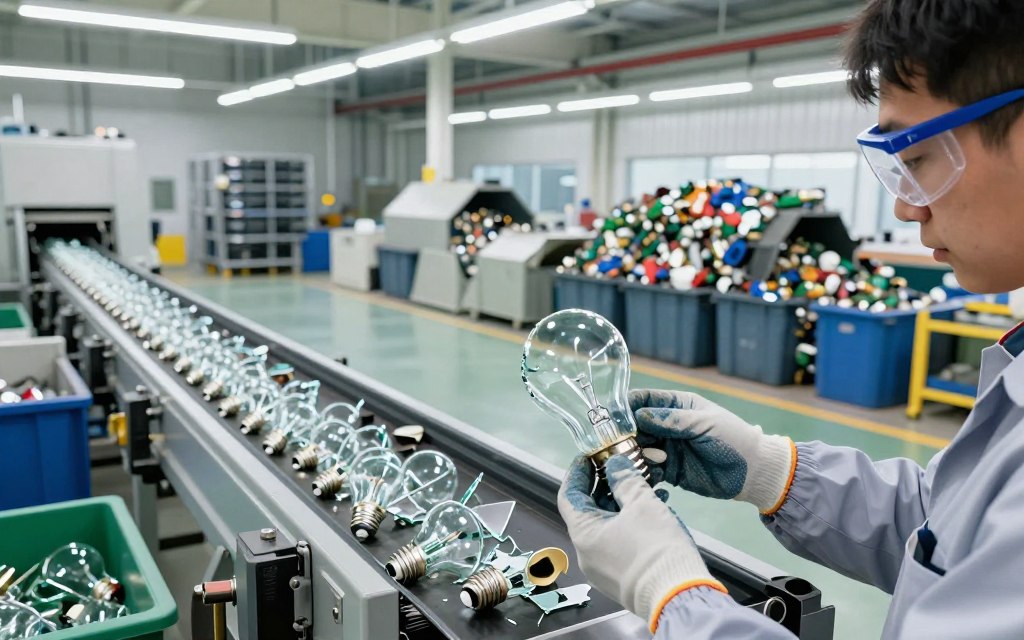
After collection, bulbs enter the light bulb recycling process at an authorized facility. Workers sort bulbs by type because each type needs a different method. This careful work supports a safer environment.
Incandescent and halogen bulbs are usually easier to recycle than compact fluorescent lamps (CFLs) and LEDs. CFLs and LEDs contain materials that need careful handling during lamp recycling. This process supports mercury recovery and e-waste processing.
- Sorting: Bulbs are categorized into groups like incandescent, halogen, CFL, LED, and fluorescent tubes.
- Separation: Specialized equipment separates the glass, metal bases, electronic components, and phosphor powder.
- Mercury Recovery: For CFLs and fluorescent lamps, controlled processing is designed to recover mercury safely, preventing it from entering the environment.
- E-Waste Processing: LED bulbs, containing electronic components, are sent through e-waste processing streams to recover valuable metals.
Facilities can recover glass and metal for manufacturing and other industrial uses. However, not every facility can recycle every component. Proper separation at home supports safer, more efficient downstream recycling.
Common Mistakes to Avoid When Recycling Light Bulbs
Avoid common light bulb disposal mistakes to protect people and the environment. Safe recycling starts with knowing how to handle each bulb.
Never place light bulbs in standard curbside recycling bins unless your local authority accepts them. Otherwise, recycling contamination may occur. Broken bulbs can shatter and contaminate other recyclables at recycling facilities.
Do not put CFLs or fluorescent tubes in general waste. These bulbs contain mercury and can harm the environment. Take them to designated recycling points instead.
Ask this: can light bulbs go in recycling? Not in glass bottle banks, because different materials can contaminate the glass load. Keep these materials separate for proper recycling and to prevent more waste.
Do not mix intact bulbs with broken ones. Loose bulbs can shatter inside bags and create safety hazards. Keep intact bulbs secure and separate from broken bulbs.
Do not assume every retailer accepts every bulb type, and do not dispose of bulbs in trash. Check local stores for their policies before you visit. Follow rules about opening hours, appointments, and quantity limits to avoid frustration and improper disposal.
Use this checklist to avoid light bulb disposal mistakes:
- Identify the bulb type to ensure correct disposal.
- Protect bulbs from breakage by using appropriate packaging.
- Verify the recycling facility accepts your type of bulb.
- Use the designated collection route for your area.
UK Regulations and Compliance for Bulb Disposal
UK light bulb disposal regulations set the legal framework for safe bulb disposal. The Waste Electrical and Electronic Equipment (WEEE) regulations cover waste electrical equipment, including light bulbs. They require certain lamps and electrical products to be collected, treated, and recycled correctly.
The WEEE regulations give duties to households, businesses, producers, and waste operators. Householders should use approved recycling routes from local councils or retailers. This matters for bulbs containing hazardous materials, such as mercury, which need careful handling and disposal.
Improper disposal can cause environmental contamination and health risks, so do not dismantle bulbs or place them in general waste. Use designated recycling paths, and follow fluorescent lamp disposal law and hazardous waste compliance guidance. The table below summarises key regulations:
| Regulation | Description | Applicable to |
|---|---|---|
| WEEE Regulations | Regulates the disposal of electrical and electronic waste | Households, businesses, producers |
| Fluorescent Lamp Disposal Law | Specific rules for disposing of fluorescent lamps | All users of fluorescent lamps |
| Hazardous Waste Compliance | Guidelines for handling and disposing of hazardous waste | Businesses and waste operators |
Regulations can change, so check current UK government guidance and local council instructions for the latest requirements. For more information about light bulb recycling and disposal, visit this resource.
Recycling Light Bulbs from Businesses and Commercial Premises
Businesses face special challenges with commercial light bulb recycling. Unlike households, businesses, landlords, and facilities managers must follow formal disposal processes. These steps support environmental compliance and sustainability.
Businesses should begin by creating a complete bulb inventory. Categorize lamps by type, including incandescent, CFL, and fluorescent tubes. Separate these lamps because each type may have different disposal requirements.
Store light bulbs in purpose-built containers. This prevents breakage during maintenance or replacement work.
“An ounce of prevention is worth a pound of cure.”
Safe storage reduces risks linked to broken bulbs.
For disposal, use a licensed or appropriately authorized commercial waste contractor. These contractors can manage fluorescent tube collection and business lamp disposal, including CFLs, which contain mercury. Keep collection notes, transfer documents, or recycling certificates for records and compliance.
Organizations should include lamp handling in workplace procedures. Training maintenance staff in proper disposal can improve workplace recycling compliance. Label storage areas and schedule collections before containers overflow to streamline recycling.
Commercial waste obligations can vary. Jurisdiction, premises type, and waste volume affect required compliance measures. Understanding these rules helps businesses meet their recycling responsibilities.
Reducing Light Bulb Waste: Sustainable Alternatives
Reducing light bulb waste starts with informed choices about sustainable lighting options. One of the best choices today is energy-efficient LED bulbs. These bulbs use less electricity and last longer than traditional bulbs.
When selecting bulbs, look for long-life light bulbs from reputable manufacturers. Choose products that last longer and need fewer replacements. Check the expected lifespan and warranty before buying.
LEDs can lower replacement needs and energy use. However, they contain electronic components and need proper recycling at the end of their life. Use these practical tips to extend bulb life:
- Choose the correct brightness and color temperature for your needs.
- Avoid unnecessary over-lighting by using timers or motion sensors.
- Opt for replaceable fittings when possible, rather than fixtures that require complete disposal.
- Ensure proper installation and ventilation to avoid overheating.
- Check compatibility with dimmer switches to prevent early failures.
These choices help you reduce lighting waste and support a more sustainable future. Eco-friendly lighting means reducing consumption and safely disposing of failed bulbs.
| Lighting Option | Energy Efficiency | Average Lifespan | Recyclable |
|---|---|---|---|
| Incandescent Bulbs | Low | 1,000 hours | No |
| Halogen Bulbs | Moderate | 2,000 hours | No |
| Compact Fluorescent Lamps (CFLs) | Moderate | 10,000 hours | Yes |
| LED Bulbs | High | 25,000 hours | Yes |
Bulb Recycling Myths Debunked
Many people believe light bulb recycling myths, which can lead to improper disposal. Let’s clarify these myths and promote safe, responsible practices.
-
Can all light bulbs go in the glass recycling bin?
The myth about light bulbs in glass recycling is common. Household glass recycling usually accepts bottles and jars, not lighting products. Check local guidelines for proper disposal.
-
Does “LED” mean the bulb can go in regular waste?
The LED disposal myth treats LEDs like regular waste. LEDs save energy, but their electrical components may require e-waste recycling. Always verify local disposal rules.
-
Are CFLs safe to throw in the trash?
CFL recycling facts show that CFLs are not safe to throw away. Although CFLs contain a small amount of mercury, use approved recycling routes. This prevents harmful substances from entering the environment.
-
Do all stores accept used bulbs for recycling?
This depends on the retailer. Not every store offers a take-back program for used bulbs. Confirm each local retailer’s policy before recycling.
-
Is it okay to break a bulb to fit it into a recycling container?
Never deliberately break an intact bulb to fit a recycling container. This creates safety risks and complicates recycling.
Remember these safe bulb disposal facts: identify the bulb type, prevent breakage, and confirm the correct local recycling option. This ensures safe and responsible disposal.
Conclusion
Recycling light bulbs protects our environment and improves safety. Learning to recycle used light bulbs safely can make a significant difference. Each bulb type has specific disposal requirements.
Compact fluorescent lamps (CFLs) and fluorescent tubes contain mercury, so handle them with care.
For responsible bulb disposal, keep bulbs intact and package them securely. Use local council collection points, Household Waste Recycling Centres, or retailer take-back programs. Businesses must follow documented commercial waste arrangements and store used bulbs safely.
Use this light bulb recycling checklist: identify the bulb type and check local requirements. Then transport it safely through an approved recycling route. By following these steps, you support safe light bulb recycling UK services.
These steps protect people, prevent contamination, and help recover valuable materials. Always check your local council and recycling facility for the latest guidelines. Together, we can create positive change through proper recycling practices.

 By
By
 By
By
 By
By