
The UK’s supermarkets have been under scrutiny for their role in generating plastic waste. In response, Tesco has introduced a pioneering recycling scheme for soft plastic packaging. This initiative allows customers to recycle materials that are not typically collected in household recycling schemes.
The UK generates approximately 400,000 tonnes of soft plastic waste annually, with only about 21,000 tonnes being collected for recycling. Tesco’s scheme aims to address this gap by providing a convenient way for customers to recycle their plastic packaging at store collection points.
By understanding what can be recycled and how to prepare materials properly, customers can make a significant impact on reducing plastic waste. This article will guide you through Tesco’s soft plastic recycling initiative and its benefits.
Understanding Soft Plastic Waste
Understanding soft plastic waste is crucial for improving recycling rates. Soft plastic waste is a significant component of the overall plastic waste in the UK.
What Qualifies as Soft Plastic?
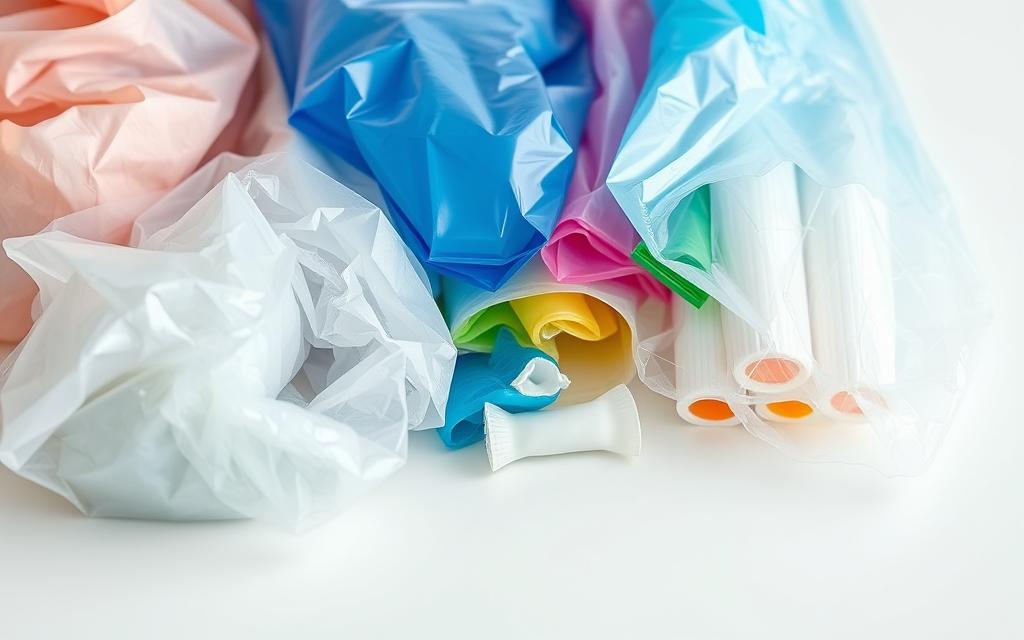
Soft plastics include a variety of flexible packaging materials, such as crisp packets, sweet wrappers, and bread bags. These items are made from plastic but are not rigid like plastic bottles or containers.
Why Soft Plastics Are Difficult to Recycle
Soft plastics pose unique recycling challenges. They are lightweight, which makes them difficult to sort in conventional recycling facilities. Additionally, soft plastics often contain additives, adhesives, or multiple layers of different materials, complicating the recycling process.
| Challenges | Impact on Recycling |
|---|---|
| Lightweight nature | Difficult to sort, can jam machinery |
| Multiple layers and additives | Technically complex and economically challenging to recycle |
| Contamination with food residue | Requires additional cleaning processes, increasing cost and complexity |
Tesco Soft Plastic Recycling Initiative
As part of its commitment to sustainability, Tesco has launched a comprehensive soft plastic recycling initiative. This move is part of Tesco’s broader strategy to reduce plastic waste and promote recycling across its operations.
How the Collection Scheme Works
Tesco’s soft plastic recycling collection scheme is designed to make it easy for customers to recycle their soft plastics. The process involves collecting soft plastic packaging from customers and recycling it into new products. For instance, Tesco has partnered with Plastic Energy, SABIC, Sealed Air, and Bradburys Cheese to create food-grade packaging from recycled soft plastics. You can learn more about similar initiatives at https://www.patsfood.org/co-op-soft-plastic-recycling-where-does-it-go/.
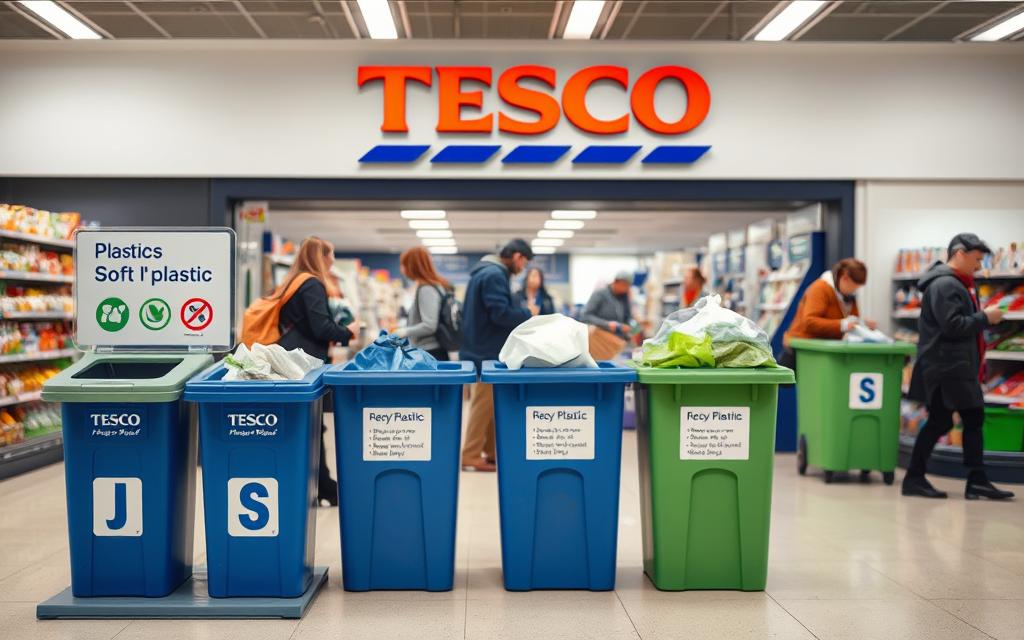
The collected soft plastics are processed and transformed into raw materials that can be used to manufacture new packaging materials, thus reducing the need for virgin plastics.
Locations of Collection Points
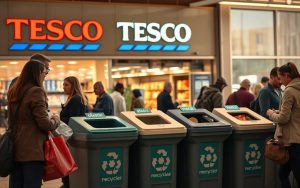
Customers can drop off their soft plastics at designated collection points located within Tesco stores. These collection points are typically found near the store entrance or in a designated recycling area. Tesco has made it convenient for customers to participate in the recycling program by providing clear signage and instructions on what materials are accepted.
Tesco’s Commitment to Plastic Reduction
Tesco’s commitment to reducing plastic waste is evident in its 4Rs strategy: Remove, Reduce, Reuse, Recycle. The retailer aims to remove non-recyclable and excess packaging from its business, reduce material usage where packaging is necessary, explore opportunities to reuse packaging, and ensure that anything left is recycled. Around 90% of Tesco’s packaging is already ‘widely recyclable,’ demonstrating its progress towards a circular economy.
| Initiative | Description | Impact |
|---|---|---|
| Remove | Eliminate non-recyclable packaging | Reduces plastic waste |
| Reduce | Minimize material usage | Less plastic used |
| Reuse | Explore packaging reuse options | Decreases new plastic production |
| Recycle | Ensure all remaining packaging is recycled | Promotes a circular economy |
Step-by-Step Guide to Recycling Soft Plastics
Recycling soft plastics has become more accessible with Tesco’s initiative. The programme allows customers to recycle their soft plastic waste easily while shopping at Tesco stores.
Identifying Recyclable Soft Plastics
The first step in recycling soft plastics is to identify the types of plastics that can be recycled. Tesco accepts a wide range of soft plastics, including packaging materials from various brands and retailers. This includes flexible plastic packaging, such as crisp packets, food bags, and wrapping materials.
Preparing Your Soft Plastics for Recycling
Before dropping off your soft plastics at Tesco, it’s essential to prepare them correctly. Ensure that the plastics are clean and free of contaminants. There’s no need to separate different types of soft plastics, as Tesco’s recycling partners will handle the sorting process. You can combine your recycling drop-offs with your regular shopping trips to reduce unnecessary journeys and the associated carbon footprint.
Dropping Off at Tesco Collection Points
Locate the soft plastic collection points typically positioned near the entrance or exit of large Tesco stores. These bins are clearly marked with signage explaining what can be deposited. Tesco accepts soft plastics from any brand or retailer, making it convenient to recycle all your household soft plastic waste in one location. If your local Tesco collection point appears full, inform a staff member rather than leaving plastics outside the bin.
By following these simple steps, you can contribute to reducing plastic waste and support Tesco’s commitment to increasing recycling rates. For more information on Tesco’s soft plastic recycling initiative, you can visit their website.
What Can and Cannot Be Recycled
Tesco is leading the way in soft plastic recycling, making it easier for customers to recycle a wide range of plastic materials. The company’s soft plastic recycling scheme accepts various items, including bread bags, fruit and vegetable packaging, crisp packets, and salad bags. This initiative is part of a broader industry movement, with other major supermarkets like Sainsbury’s, M&S, and The Co-op offering similar collection schemes.
It’s essential to note that not all soft plastics are recyclable. Biodegradable or compostable plastics, plastic toys, and plastic bottles should not be placed in Tesco’s soft plastic collection points. Proper preparation of materials, including removing food residue and labels, is crucial for successful recycling. Tesco’s partnerships with companies like Plastic Energy and SABIC demonstrate the potential for creating a true circular economy for soft plastics.
As recycling technologies continue to evolve, consumer education and up-to-date information will be vital for maximizing the environmental benefits of soft plastic recycling schemes. By working together, retailers and consumers can make a significant impact on reducing plastic waste. For the most current information on what can be recycled, customers should check Tesco’s website or visit their local store.

 By
By
 By
By