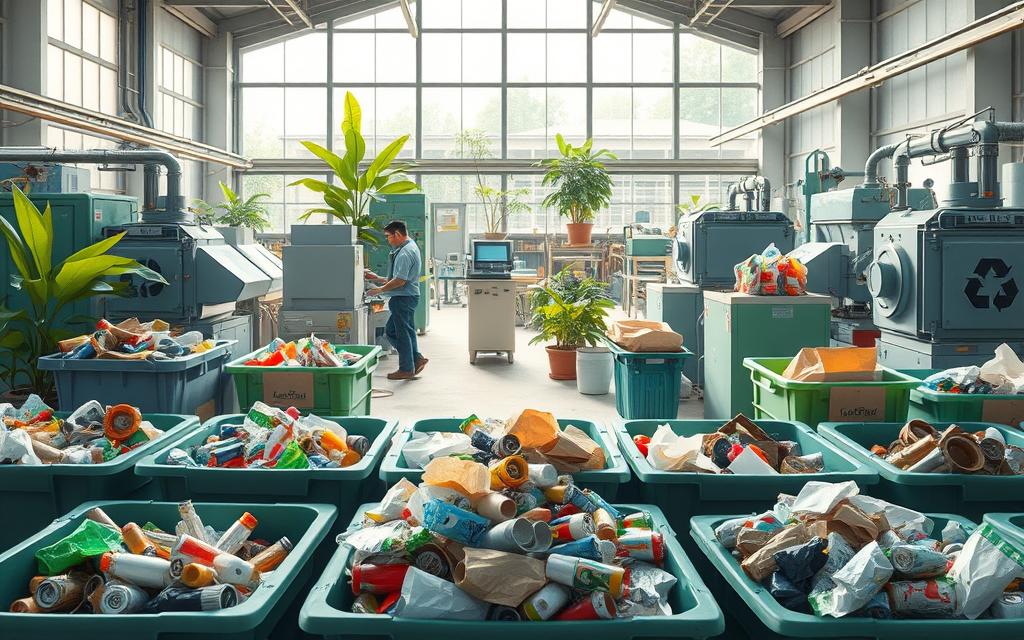

Many of us join waste management schemes without knowing what happens to our waste. This system turns old items into useful resources through a complex recycling process.
The idea of recycling has been around for centuries. But today’s systems are much more advanced. The US EPA says recycling can save up to 70% of energy compared to making new materials.
This method is key to a circular economy. It keeps materials moving instead of throwing them away. Good sustainable recycling helps protect our environment and creates jobs.
Knowing how recycling works from start to finish is important. It shows why we need to recycle properly. This knowledge helps communities make better choices about how to use resources.
Understanding Recycling and Its Importance
Recycling is more than just throwing away trash. It’s a way to manage resources better. It involves collecting, processing, and making new things from old materials. This helps our planet and communities a lot.
Defining the Recycling Concept
Recycling turns old materials into new products. It stops waste and saves raw materials. Unlike throwing things away, recycling keeps materials in use forever.
This is different from just getting rid of waste. Recycling needs everyone to work together. Homes, businesses, and recycling plants must sort and process materials right.
Environmental Benefits of Proper Recycling
Recycling is great for the environment. It helps fight climate change by reducing harmful gases.
In 2018, recycling saved about 190 million metric tons of carbon dioxide. This shows how recycling helps clean our air.
Other good things about recycling include:
- It saves natural resources and raw materials
- It uses less energy to make new things
- It reduces waste in landfills and soil pollution
- It protects nature from harm
Economic Advantages of Recycling Programmes
Recycling also helps the economy. It creates jobs in many areas, like collecting and making new products.
Recycling supports about 1.1 million jobs in the U.S. These jobs help local and national economies by paying wages and taxes.
Cities also save money by recycling. They spend less on waste and can make money from selling materials.
| Benefit Type | Environmental Impact | Economic Impact | Scale of Effect |
|---|---|---|---|
| Emissions Reduction | 190 million metric tons CO2 | Lower carbon compliance costs | National |
| Employment Creation | Reduced extraction impacts | 1.1 million jobs | National |
| Resource Conservation | Preserved natural habitats | Reduced material costs | Global |
| Energy Savings | Lower fossil fuel consumption | Reduced manufacturing costs | Industrial |
Recycling is key for a sustainable future. It’s good for the planet and helps the economy. So, recycling is very important for our communities and planet.
The Recycling Journey: From Collection to New Product
Collection is the first step in recycling, where materials start their journey. It affects how well recyclables are processed. Knowing this helps communities improve their waste collection systems.
Initial Collection Methods
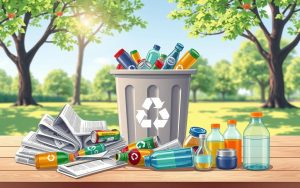
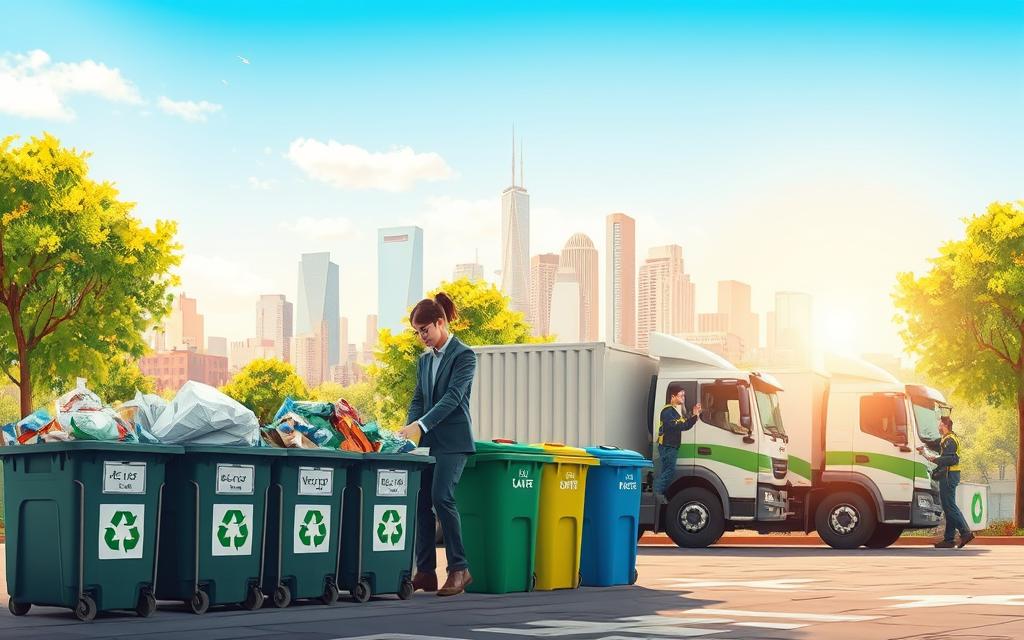
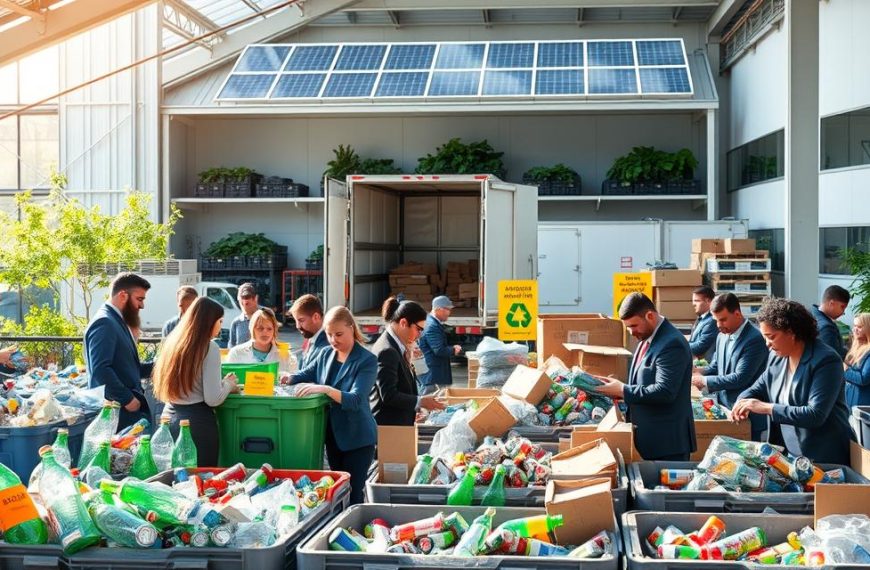
Today, recycling uses many collection methods to gather materials well. Curbside recycling is common, where people put sorted materials in bins for pickup. This makes recycling easy for many.
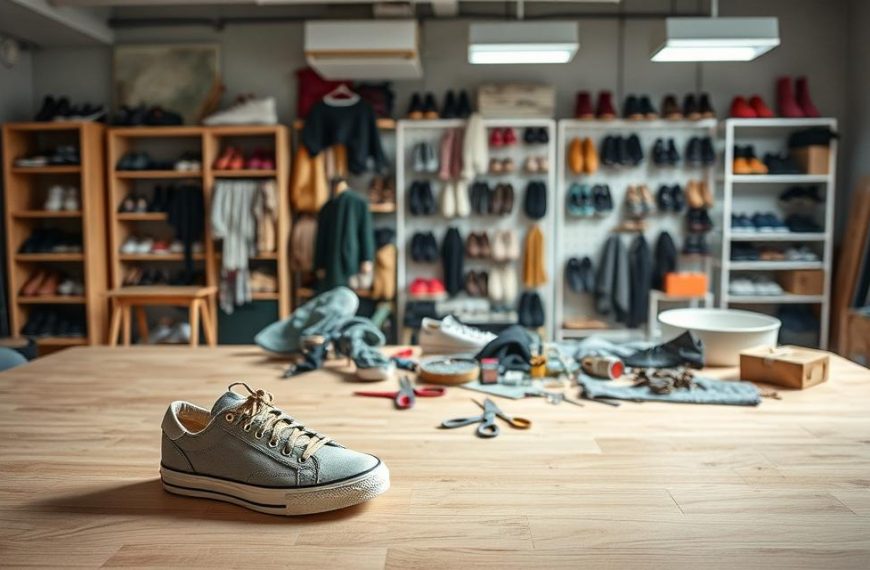
Some places have drop-off centres for those without curbside service. These centres take many recyclables, like old shoes and footwear. There are also recycling bins in parks and business areas.
Dual-stream and single-stream systems are used too. Dual-stream separates paper and containers, while single-stream mixes everything. Each has its own benefits for different areas.
| Collection Method | Participation Rate | Contamination Risk | Best For |
|---|---|---|---|
| Curbside Single-Stream | High | Medium | Urban areas |
| Curbside Dual-Stream | Medium | Low | Suburban communities |
| Drop-off Centres | Variable | Low | Rural areas |
| Public Bins | Low | High | High-traffic locations |
Transportation to Recycling Facilities
After collection, materials go to processing plants. Good transportation logistics get them there fast and cheap. Special trucks are used for this.
These trucks take the best routes to save fuel and cut down on emissions. Some have systems to pack more in, making fewer trips needed to MRF facilities.
Materials recovery facilities are next. Here, items are sorted and ready for reprocessing. The distance to MRFs affects costs and how well the recycling works.
Smart transportation logistics software helps plan when and where trucks go. It makes sure trucks get to MRF facilities when they’re open. It also spreads out work among different plants.
Good transport keeps materials safe on the way. Covers protect them from the weather. This keeps the quality high for making new products.
Sorting and Separation Processes
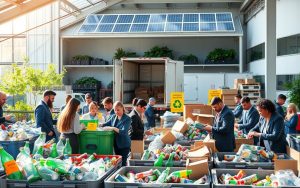
Materials arrive at recycling facilities and go through sorting and separation. These processes turn mixed waste into organised materials for reprocessing. Modern facilities use both human skills and technology to get the best results.
Manual Sorting Techniques
Manual sorting is key in material separation. Quality control staff sort waste on conveyor belts, removing contaminants. They do several important tasks:
- Removing non-recyclable materials from the stream
- Separating different plastic types by resin identification codes
- Extracting materials that automated systems might miss
- Ensuring final product quality before processing
Workers wear protective gear and use special tools to handle materials safely. This human touch adds flexibility to automated systems.
Automated Sorting Systems
Automated sorting technology has changed material separation in modern facilities. These systems sort materials fast and accurately. The best facilities use several technologies together for thorough sorting.
Optical Sorting Technology
Optical sorters use near-infrared spectroscopy to identify materials. They make thousands of decisions per minute. Key features include:
- High-speed cameras that scan materials on conveyor belts
- Computer algorithms that analyse material composition
- Air jets that precisely eject targeted materials
- Ability to distinguish between different plastic polymers
This technology can separate materials by colour, composition, and specific types.
Magnetic Separation Systems
Magnetic separation technology removes ferrous metals from mixed material streams. Powerful electromagnets attract and remove steel and iron. For non-ferrous metals like aluminium and copper, facilities use eddy current separators.
These systems create a magnetic field that repels non-ferrous metals. This ensures complete metal recovery from complex waste streams.
Processing Different Material Types
Turning collected materials into reusable resources is a complex task. Each material needs special handling to get the best results. Knowing these processes shows why sorting materials correctly is so important.
Paper and Cardboard Recycling
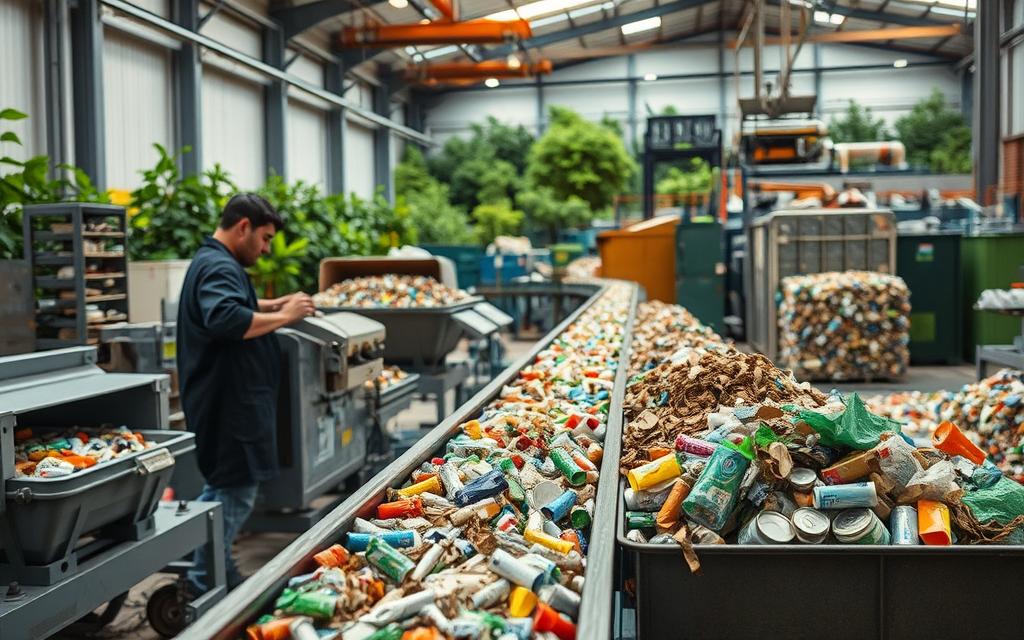
Paper recycling starts with making a slurry from the materials and water. This mix is then cleaned to remove things like plastics or staples. The clean pulp goes through special treatments to remove ink.
Different types of paper need different treatments. Cardboard is easier to process than office paper. The pulp is then pressed and dried to make new paper products.
Plastic Recycling Methods
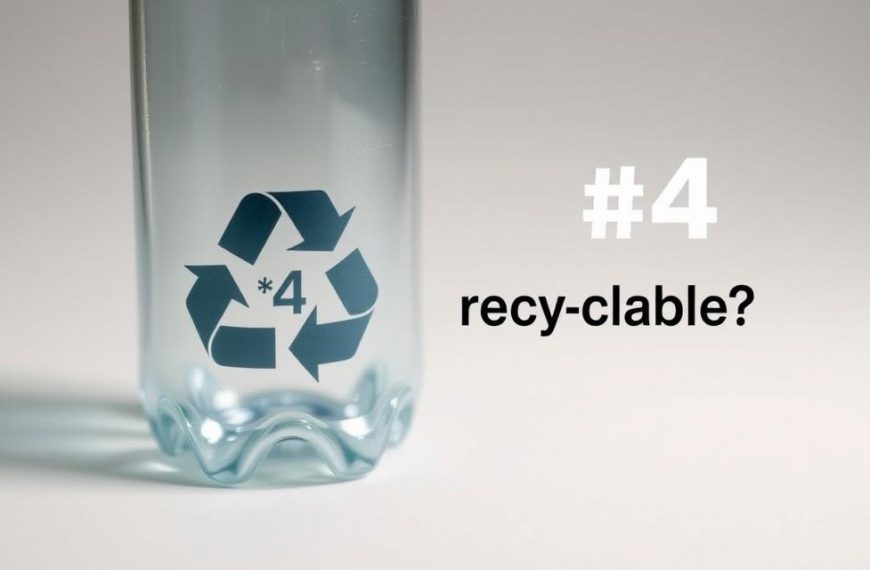
Plastic recycling is tricky because there are so many types. The Association of Plastic Recyclers (APR) sets rules to help make packaging recyclable. This makes recycling easier.
There are different ways to recycle plastics. Most plastics are recycled mechanically, which means they are washed, shredded, and melted. Chemical recycling is used for plastics that are harder to recycle.
PET Bottle Processing
#1 PET bottles are cleaned thoroughly before recycling. They are ground into flakes and washed in hot detergent. This removes labels and other contaminants.
The flakes are then sorted by colour and density. Clean PET flakes are used to make new bottles or polyester fibres. They must meet food-grade standards.
HDPE Container Recycling
#2 HDPE containers are recycled in a different way. They are shredded and washed before being melted into pellets. These pellets are used to make new products.
HDPE can be recycled many times. It is used to make plastic lumber, piping, and new containers. Its natural opacity allows for more colours in recycled products.
| Plastic Type | Recycling Process | Common End Products | APR Design® Considerations |
|---|---|---|---|
| #1 PET | Flake production, intensive washing | Bottles, polyester fibres | Clear preferred, label removal ease |
| #2 HDPE | Shredding, pelletising | Containers, plastic lumber | Colour consistency, additive limitations |
| #5 PP | Melting, reprocessing | Automotive parts, containers | Heat stability, pigment compatibility |
Polypropylene (#5 PP) recycling is becoming more popular. Its heat resistance makes it useful for many things. It is melted and reformed into pellets for making new products.
Understanding each material’s needs is key to successful recycling. Following guidelines ensures recycling systems work well and produces high-quality materials for manufacturers.
Glass Recycling Procedures
Glass recycling is special because glass doesn’t lose quality when recycled. It can be recycled endlessly if done right.
Colour Separation Process
The first step in glass recycling is colour separation. This is key to keep different glass colours separate. Machines and people sort glass into:
- Clear flint glass
- Amber or brown glass
- Green glass
- Blue and specialty coloured glass
It’s important to keep colours separate. This is because each colour has special chemicals that can’t mix during melting.
Crushing and Melting Techniques
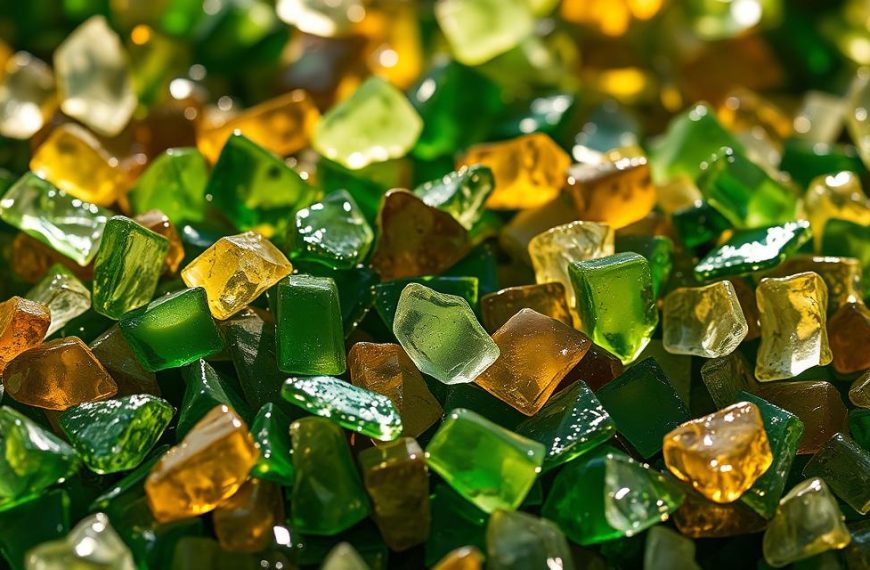
After sorting, glass is crushed into small pieces called cullet. This process involves:
- Breaking down large pieces
- Making sure all pieces are the same size
- Removing any unwanted bits
Then, the cullet is heated in furnaces to make new glass. These furnaces get very hot, over 1,500°C. This makes recycling glass much more energy-efficient than making it from scratch.
For more on glass recycling, check out this link. The stage of making cullet is a big win. It saves on transport costs and energy.
Metal Recycling Systems
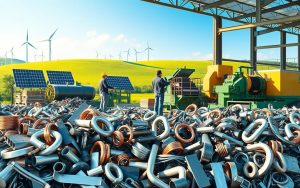
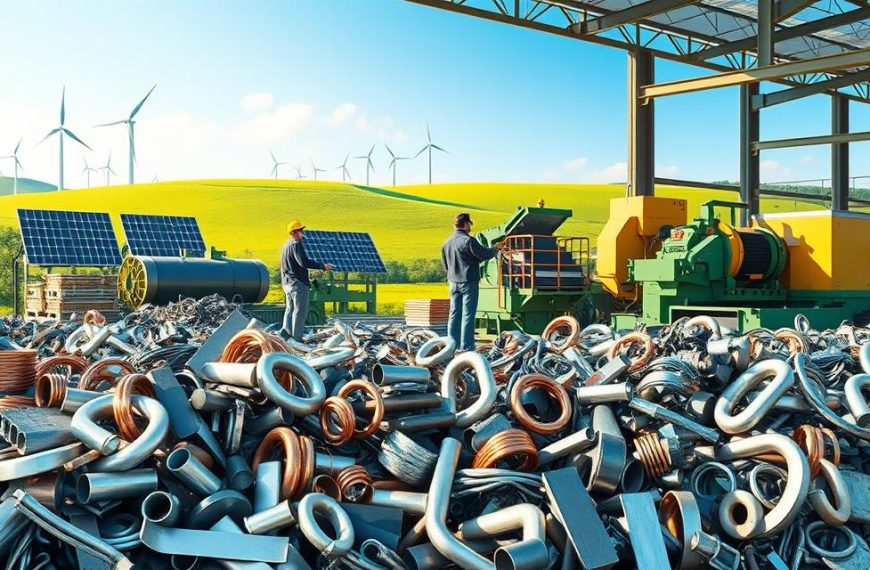
Metal recycling is a key part of modern waste management. It collects, sorts, and processes metals to make new products. This saves natural resources. The metal recycling industry works with both ferrous and non-ferrous metals.
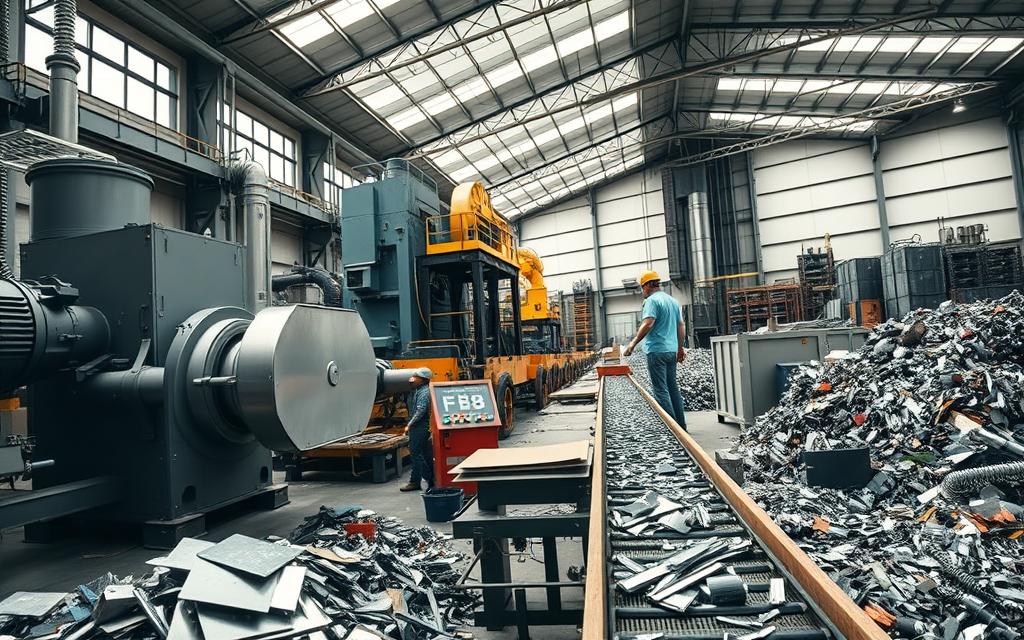
Ferrous metals have iron and are magnetic. Non-ferrous metals like aluminium and copper don’t have iron. Modern metal recovery systems use special technology to sort these metals.
Aluminium Can Recycling
Aluminium processing starts with collecting and sending cans to special places. The cans are cleaned to remove dirt. Then, they are shredded into small pieces.
These pieces go through ovens to remove paint. Next, they melt in high-temperature furnaces. This creates molten aluminium, which is then cast into blocks.
These blocks are sent to factories. Recycling aluminium saves over 90% energy compared to making it from raw materials. It’s a very efficient process.
Recycled aluminium can be reused many times without losing quality. It’s a very sustainable material. It’s turned into new cans, car parts, and building materials.
Steel and Tin Processing
Steel recycling starts with separating steel from other materials. Collected steel is compressed into bales. These bales are then shredded into small pieces.
These pieces go through magnets to separate them. The purified steel is then melted in electric arc furnaces. It’s then cast into new products or sheets.
Tin can recycling involves steel cans with tin plating. These cans are processed like steel but need extra steps to remove the tin. Modern facilities use chemical or electrochemical methods to recover both steel and tin.
The metal recycling journey saves a lot of resources and energy. It helps reduce mining and saves natural ore deposits. Recycling metals supports the circular economy and reduces environmental harm in manufacturing.
Cleaning and Contamination Removal
After sorting, materials go through a cleaning phase to get rid of dirt. This step is key to making sure recycled materials are good enough for use again. It keeps the quality high and the value of the materials intact.
Removing contaminants properly helps separate the best recyclables from the rest. This way, only top-quality materials make it to the next stage.
Washing and Purification Processes
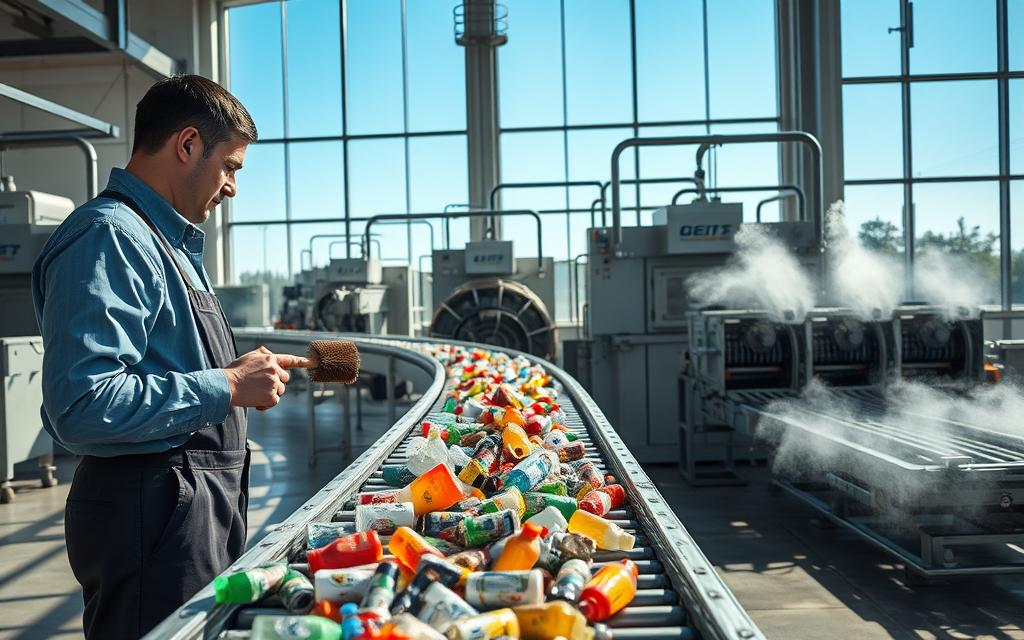
Recycling places use advanced washing processes to clean materials. These methods target things like labels, food bits, and chemicals. How well these cleaning steps work affects the quality of the recycled stuff.
Each type of material needs its own cleaning method:
- Plastic containers get hot water baths with special cleaners to remove labels and glue
- Glass materials get scrubbed and treated with chemicals to get rid of tough stains
- Metal containers go through hot cleaning systems
- Paper products get pulped to separate fibres from dirt
These purification systems have several steps, like rinsing, treating, and rinsing again. Many places also recycle water to cut down on waste. The aim is to make materials as clean as possible without losing their value.
Quality Control Measures
Quality control checks are strict to make sure materials are up to standard. Places use systems to watch for dirt at every step. This stops bad materials from getting made into new products.
Quality checks include:
- Trained staff check materials by eye at different points
- Special machines sort materials based on colour
- Labs test the chemical makeup of materials
- Tests check how wet or dry materials are after cleaning
Recycling places must follow strict recycling standards. These rules say what’s okay and what’s not for different materials. Regular checks and certifications keep things consistent.
Today’s recycling places use data to improve. They track how well they’re doing at cleaning materials. Good quality control systems are key to recycling’s success and the planet’s health.
Manufacturing New Products from Recycled Materials
The last step in recycling turns processed materials into new products. This is the end of the recycling journey. Cleaned and sorted materials become raw materials for making new things.
Reprocessing Techniques
Each material needs special ways to be made usable again. Plastic is often melted and turned into small pellets.
These pellets, called post-consumer resin (PCR), are the base for new plastic items. Paper goes through pulping and refining to get ready for making paper.
Metals are melted in hot furnaces and then shaped into sheets or ingots. Glass is melted and then moulded or blown into new containers.
Modern reprocessing keeps materials strong and of good quality. Advanced facilities use smart systems to watch over these steps.
Common Products Made from Recycled Materials
Recycled materials are used in many everyday items. rPET bottles are a well-known example.
Clothing brands use recycled polyester from plastic bottles in their fabrics. Paper products like newspapers and cardboard often have recycled fibres.
Aluminium cans are made from recycled metal, which can be recycled endlessly. Construction materials like insulation and plastic lumber also use recycled materials.
Car makers use recycled metals and plastics in car parts. The list of products made from recycled materials keeps growing as technology improves.
| Material Type | Reprocessing Method | Common End Products | Recycled Content Typical Range |
|---|---|---|---|
| Plastic (PET) | Extrusion & Pelletisation | Bottles, clothing fibres, packaging | 25-100% |
| Paper/Cardboard | Pulping & Refining | Newsprint, packaging, tissue products | 50-100% |
| Aluminium | Melting & Reformation | Cans, automotive parts, building materials | 50-95% |
| Glass | Crushing & Melting | Containers, fibreglass, abrasive materials | 25-90% |
| Steel/Tin | Melting & Rolling | Cans, construction materials, appliances | 25-75% |
More manufacturers are using recycled materials in their products. This helps the environment and saves natural resources.
Today’s recycled products are as good as new ones in many ways. Better reprocessing methods mean consistent quality in making new products.
Challenges in Modern Recycling
Recycling is good for the environment, but modern recycling faces big challenges. These include technical problems at facilities and economic issues that affect recycling as a whole.
Contamination Issues
Contamination is a big problem in recycling today. Non-recyclable items can damage sorting machines. Items like plastic bags, food-contaminated containers, and hazardous materials are common culprits.
When these items get mixed in, facilities have to send good materials to landfills. This increases costs a lot. Many people get confused about what can be recycled.
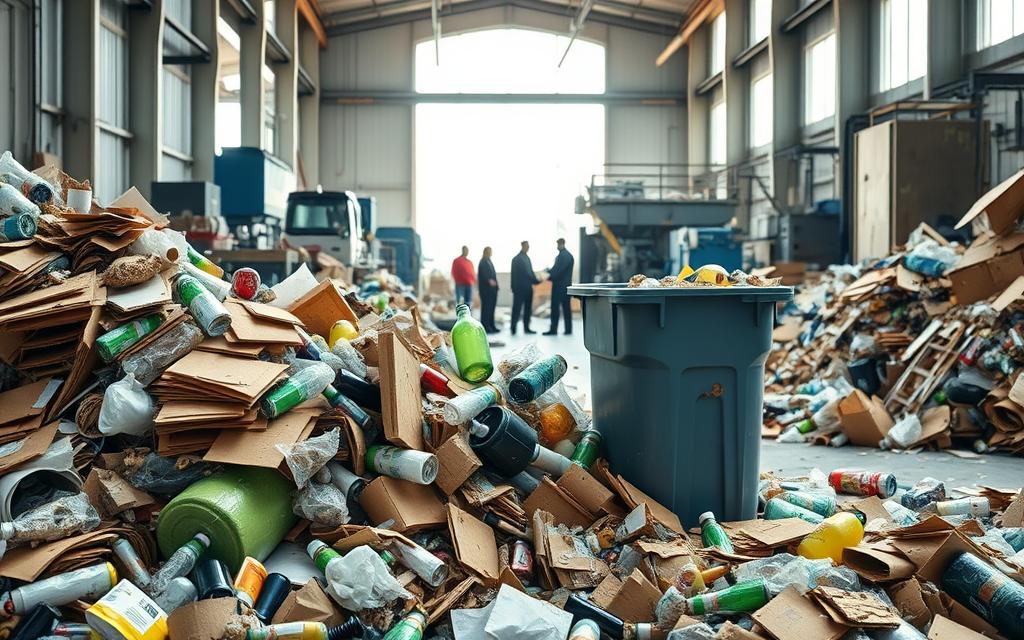
Facilities often find up to 25% of materials are contaminated. This makes it hard to make quality recycled products. It also hurts the environment and the recycling’s economic side.
Market Fluctuations for Recycled Materials
The recycling industry struggles with market changes. Demand for recycled materials can shift quickly. This is due to changes in manufacturing and trade policies.
When prices for recycled materials drop, recycling can become too expensive. Some places have had to stop recycling during these times. Recycling needs steady demand and affordable costs to work.
To overcome these issues, recycling systems need to be stronger. Creating a strong domestic market for recycled materials helps. Investing in new technology also keeps recycling affordable during market ups and downs.
It’s key to understand these challenges to improve recycling. We need to work together to reduce contamination and keep markets stable. This involves consumers, local governments, and recycling companies.
How to Recycle Responsibly and Effectively
Recycling starts with what you do at home. Your choices help recycling programs work better. Learning a few key steps can make your recycling efforts really count.
Proper Sorting at Home
Recycling works best when you sort right at the start. Different items need different handling. Sorting correctly stops contamination that can spoil all recyclables.
Here are some sorting tips:
- Rinse containers well to get rid of food
- Keep materials separate unless your area says it’s okay to mix
- Flatten cardboard to save space
- Don’t remove plastic bottle caps unless told to
- Keep paper dry and clean
RecycleCheck says preparing materials well boosts recycling and cuts down on mistakes. Taking a bit more time makes sure your recycling helps.
Understanding Local Recycling Guidelines
Recycling rules change a lot from place to place. What’s okay in one area might mess up recycling in another. Always check with your local waste team for specific rules.
Things to ask your local program:
- What materials can be recycled?
- When and how to put them out?
- Any special rules for certain items?
- Where to take items not picked up at the curb?
- Any changes in recycling services with the seasons?
Many places have recycling guides online or in apps. Save these links and check them often. Recycling rules and what’s in demand can change a lot.
Common Recycling Mistakes to Avoid
Even when we try our best, we can mess up recycling. Knowing these mistakes helps keep recycling good and efficient.
Here are some common mistakes:
- Plastic bags in curbside bins: They get tangled in machines and should go back to stores
- Food-contaminated containers: Dirty containers can ruin paper recycling
- Wishcycling: Don’t guess if something can be recycled – check first or throw it away
- Tanglers: Keep things like hoses and clothes out of recycling bins
- Small items: Things smaller than a credit card can get lost in sorting
Learning about recycling makes it more effective. When we all follow these tips, recycling works better and makes better materials for making new things.
The Future of Recycling Technology
Recycling is on the verge of a big change. New systems are coming that will make recycling better and more efficient. These advanced processes are the next step in recycling, making it more sustainable.
Innovations in Sorting Technology
Modern sorting places use artificial intelligence for better accuracy. They use special imaging and learning to spot materials at a tiny level. This tech can tell different plastics apart, even if they look the same to us.
Robotic arms and optical sorters work together now. They use near-infrared spectroscopy to sort materials well. This reduces waste and makes materials better.
These sorting innovations let facilities recycle materials they couldn’t before. The tech gets smarter and better with each use.
Advanced Chemical Recycling Processes
Chemical recycling is a new way to recycle. It breaks plastics down to their basic parts. This method can handle mixed or dirty materials that would normally go to landfill.
Several chemical recycling methods are becoming popular:
- Pyrolysis: Heats plastics without oxygen to create new raw materials
- Depolymerisation: Breaks polymers back into original monomers
- Solvent-based purification: Dissolves and separates complex material blends
These methods help meet the EPA’s recycling goals. They make recycling materials multiple times possible without losing quality. Here’s how chemical recycling compares to old methods:
| Process Type | Materials Handled | Output Quality | Energy Requirements |
|---|---|---|---|
| Mechanical Recycling | Sorted, clean materials | Downgraded quality | Moderate energy use |
| Chemical Recycling | Mixed, contaminated materials | Virgin-quality output | Higher energy input |
| Advanced Sorting + Chemical | All post-consumer materials | Various quality levels | Balanced approach |
The growth of these technologies is a big change for recycling. As research goes on, we’ll see even more advanced methods. This future technology is key to reaching circular economy goals and lessening environmental harm.
Conclusion
This recycling summary shows how old materials become valuable again. It’s a complex process that includes collecting, sorting, processing, and making new products. Together, these steps help protect our environment.
Working together is key to good waste management. The EPA wants the US to recycle 50% of its waste by 2030. To reach this goal, we all need to work together and recycle better.
Everyone in the recycling world has a part to play. Companies must make products that can be recycled. Cities need to collect waste well. And we, as consumers, must follow the recycling rules in our area. This teamwork helps our economy and the planet.
This recycling conclusion highlights our shared duty to manage resources wisely. By choosing products made from recycled materials and disposing of waste correctly, we help create a circular economy. Our actions today will impact the world for generations to come.
FAQ
What is recycling and how does it differ from waste disposal?
Recycling turns old materials into new ones. Waste disposal sends them to landfill or incineration. Recycling saves resources, cuts pollution, and reduces landfill use. Disposal is less sustainable.
What are the key environmental benefits of recycling?
Recycling saves energy and cuts pollution. For example, recycling aluminium saves 90% of energy needed to make new aluminium. It also lowers greenhouse gas emissions and protects nature.
How does recycling contribute to economic advantages?
Recycling creates jobs and saves money for cities. It boosts local and national economies by supporting green industries. It also encourages innovation in green technology.
What methods are used for the initial collection of recyclable materials?
Materials are collected through curbside pickup, public bins, and drop-off centres. Haulers then transport them to recycling facilities.
How are materials sorted at recycling facilities?
Sorting uses both manual and automated systems. Automated sorters make quick decisions, while magnets and eddy current separators handle metals.
What are the specific processes for recycling paper, cardboard, and plastics?
Paper and cardboard are turned into pulp, de-inked, and reformed. Plastics are washed, shredded, and melted. This ensures they can be made into new items.
How is glass recycled, and what are its unique challenges?
Glass is sorted by colour and crushed into cullet. This makes it easier to transport and melt. Handling it carefully is key to reusing it in new glass products.
What techniques are used in metal recycling, particularlly for aluminium and steel?
Aluminium cans are melted down with big energy savings. Steel and tin are separated and reused. This saves energy and resources.
How is contamination addressed in the recycling process?
Contamination is removed through washing and purification. Quality control ensures materials are clean before being made into new products.
What products are commonly made from recycled materials?
Recycled materials make many products, like rPET bottles and recycled paper. They also make aluminium cans and glass containers. Many items now include recycled content.
What are the main challenges facing recycling systems today?
Challenges include contamination and market value changes. Infrastructure and economic issues also affect recycling efficiency.
How can individuals recycle responsibly at home?
Follow local recycling guidelines and sort materials correctly. Rinse containers and avoid non-recyclables. This prevents contamination and supports recycling.
What future technologies are emerging in recycling?
New technologies include advanced sorters and artificial intelligence. Chemical recycling is also being developed. These aim to improve recycling rates and efficiency.
Why is understanding the complete recycling process important?
Knowing the recycling process shows its importance for the environment and economy. It highlights the need for everyone to work together for a sustainable future.

 By
By
 By
By