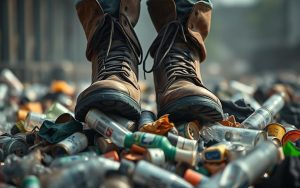
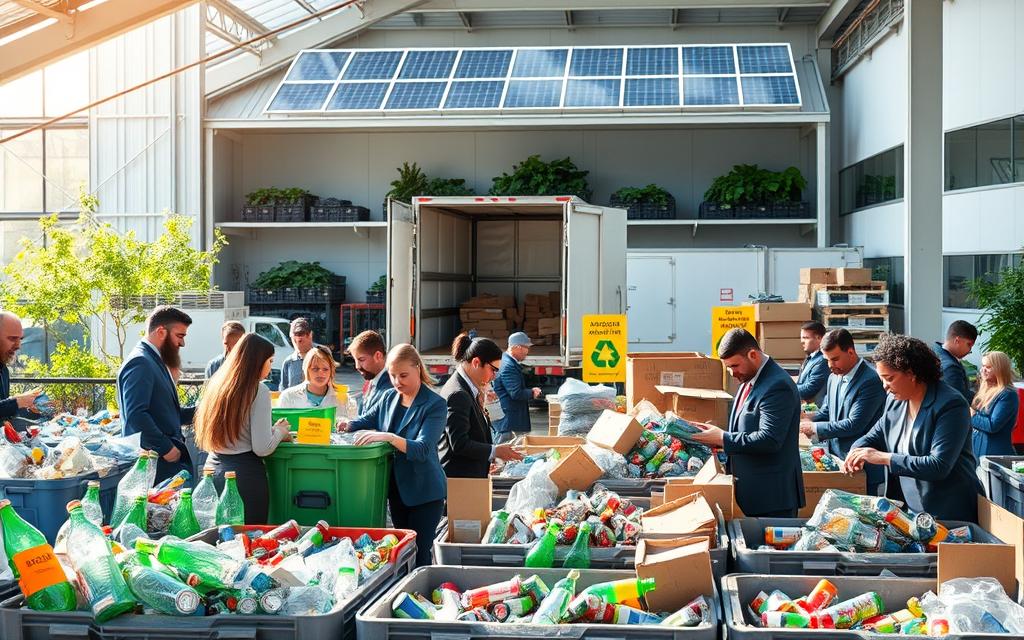

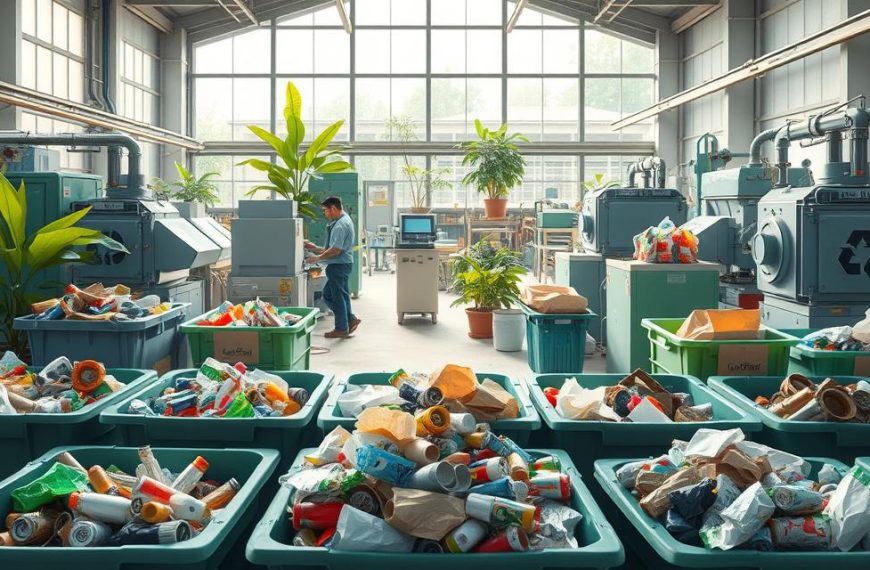
Modern recycling centres are key for sustainable waste management in our communities. They have systems for sorting and processing materials that would go to landfills.
These centres take many household items like paper, plastics, glass, and metals. They also handle electronic waste, textiles, and garden materials at special points.
The main aim of these recycling services is to turn waste into valuable resources. By doing this, they greatly reduce harm to the environment and save natural resources.
Knowing what your local centre accepts makes waste disposal easier. This ensures materials are sorted and processed well for better recovery.
These centres are vital for our environmental efforts. They make it easy for everyone to recycle responsibly.
Understanding Recycling Centres and Their Purpose
Recycling centres are special places that handle waste by recycling it, not throwing it away. They are key in today’s waste management. They help save materials from landfills and give them a new life through recycling.
Defining a Recycling Centre
A recycling facility is a place where people can take specific materials for recycling. It’s different from regular bins because it sorts materials for new products. Places like Colonial Heights Recycling Center ask for proof of local address to help the community.
These centres have different bins for different materials. This makes sorting and recycling easier. County centres often have both recycling and trash bins in one spot.
The Environmental Mission Behind Recycling Facilities
The main goal of recycling centres is to save resources and reduce waste. They recycle materials like paper, plastic, and metals. This helps save natural resources and cuts down on energy use.
By recycling, these centres also reduce landfill waste and pollution. This leads to cleaner air and water. It’s a big step towards protecting our environment.
How Recycling Centres Differ from Regular Waste Disposal
Recycling centres and waste disposal sites have different roles. Knowing this helps communities use them right.
- Material recovery vs disposal: Recycling centres focus on recovering materials, while waste disposal sites handle trash for landfills or incineration
- Sorting requirements: Recycling facilities need materials sorted, while waste disposal takes mixed trash
- Environmental impact: Recycling is better for the environment, while disposal contributes to landfill growth
- Community access: Recycling centres often have rules for who can use them, unlike general waste facilities
These differences show why recycling is important. Places like county centres that offer both services show how recycling fits into waste management.
Core Services Offered by Recycling Centres
Modern recycling facilities do more than just collect waste. They are key places for managing waste in a green way. They have special programmes that help the environment and local people.
Material Collection and Sorting Services
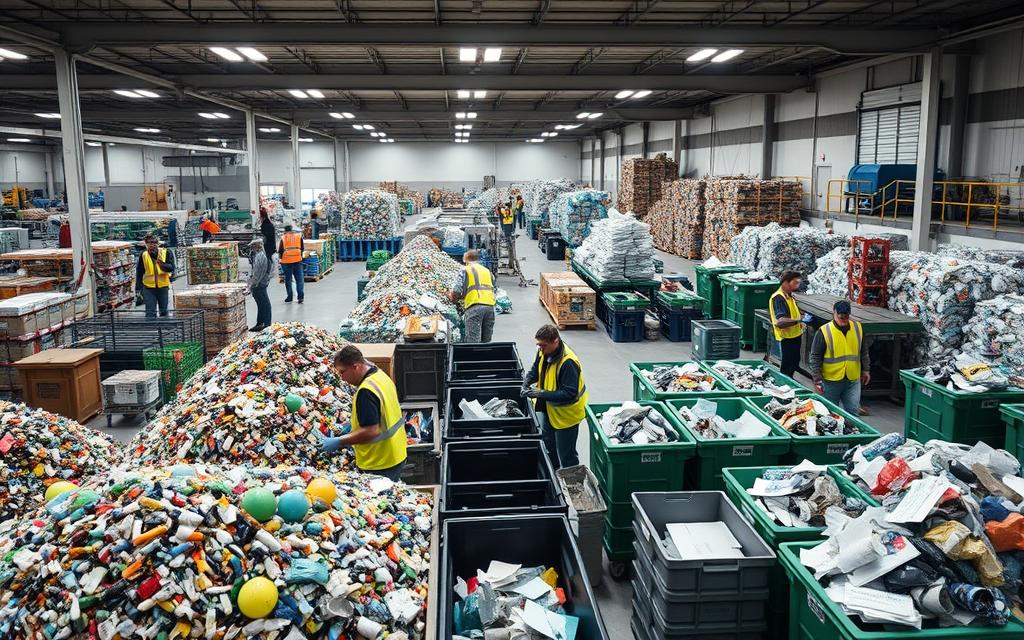
Recycling centres use advanced material sorting systems. They sort different recyclables well. This includes conveyor belts, optical scanners, and manual sorting.
This careful sorting makes sure materials are of high quality. It also keeps them clean, which makes recycling more valuable.
Processing and Preparation for Manufacturers
After sorting, materials are prepared for manufacturers. Paper is baled, plastics shredded, and metals compacted. This makes them ready for new products.
This process turns recyclables into valuable raw materials. Manufacturers get clean, sorted materials for their products.
Hazardous Waste Handling Programmes
Many centres handle hazardous waste safely. They take in dangerous household items. This includes:
- Latex paints and solvents
- Motor oil and antifreeze
- Various battery types
- Household chemicals
Places like Colonial Heights and Calvert County have special programmes. They help keep dangerous waste out of landfills and water systems.
Community Education and Outreach Programmes
Recycling centres also educate the community. They run:
- School educational programmes
- Public workshops and tours
- Informational campaigns
- Special collection events
These efforts raise awareness and encourage recycling. When people know how to recycle, they do it better. This leads to more recycling and less waste.
Commonly Accepted Materials at Recycling Centres
Knowing what your local recycling centre accepts is key for good waste management. Most places take a lot of everyday items to make new products. This guide will help you recycle with ease.
Paper and Cardboard Products
Paper is one of the most recyclable things. Recycling centres have different systems for different papers to get the best results.
Newspapers and Magazines
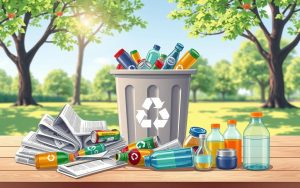
Recycling centres love newspapers and magazines. They turn these into new paper products. Just make sure they’re dry and without plastic.
Cardboard Boxes and Packaging
Cardboard from deliveries and boxes is accepted. It’s best if it’s flattened to save space. Take off any plastic before recycling.
Office Paper and Junk Mail
Office paper, like printouts and envelopes, is recycled. Junk mail and catalogues are okay too, but glossy ones might not be. For shredded paper recycling, check your local centre’s rules.
Plastic Materials and Containers
Plastic recycling has improved a lot. Centres take many types of containers. The resin ID code (1-7) shows if it can be recycled.
PET Bottles (Type 1 Plastic)
PET plastic bottles are very recyclable. This includes water bottles and food packaging. They’re very valuable in recycling.
HDPE Containers (Type 2 Plastic)
HDPE containers, like milk jugs and shampoo bottles, are also recyclable. They’re strong and can be made into new plastic products.
Other Plastic Types and Their Acceptance
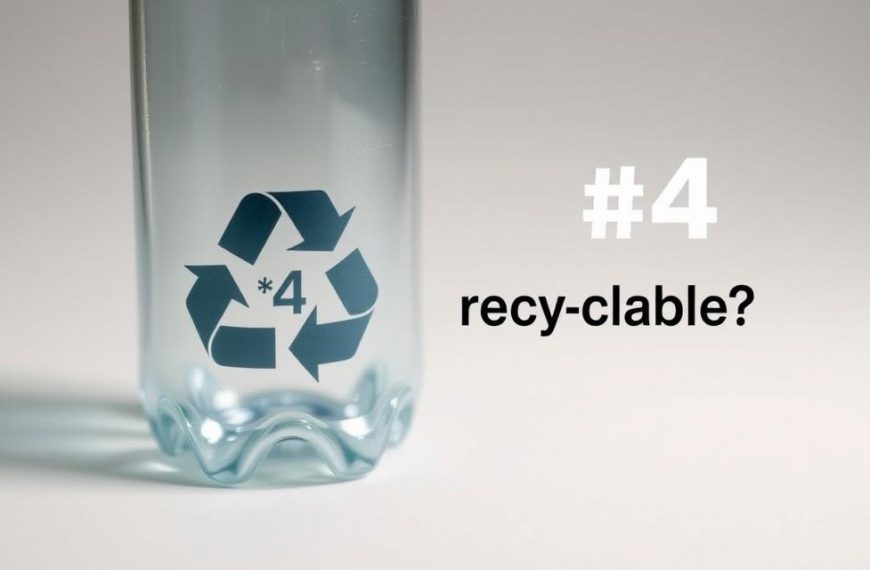
Centres now take plastics 3-7, but rules vary. This includes yogurt containers and some food packaging. Always check local rules.
Glass Containers and Products
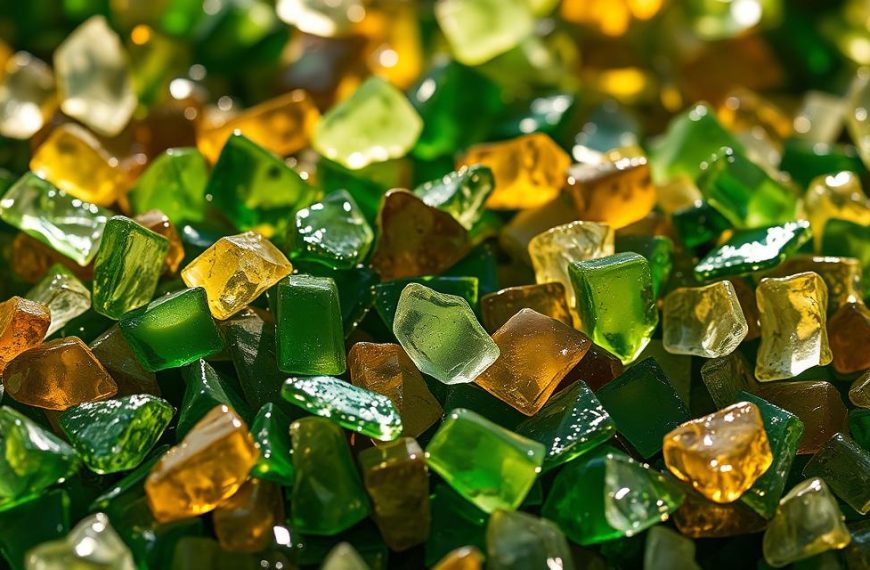
Glass recycling is great for the environment. Recycled glass can be used over and over again. Most recycling focuses on container glass.
Glass Bottles and Jars
Food and drink containers like sauce jars and beer bottles are accepted. Clear, brown, and green glass is okay. Remove metal lids and rinse before recycling.
Window Glass and Other Glass Types
Window glass and drinking glasses need special care. Many recycling centres can’t handle them because of their melting points. Always check with your local centre.
Sorting glass by colour is important. Brown, green, and clear glass should be separated. This ensures the best quality recycled product.
Metal Recycling: What’s Accepted and What’s Not
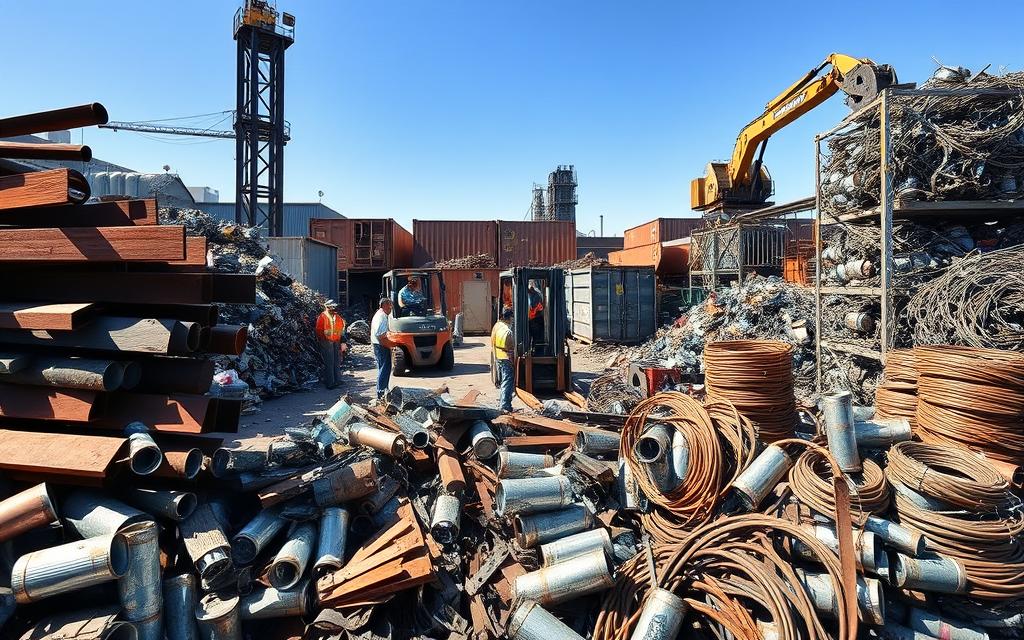
Metal recycling is key in today’s waste management. It deals with different metals in a special way. Knowing what can be recycled helps dispose of waste right and boosts recycling.
Aluminium Cans and Foil
Many recycling centres take aluminium cans and clean foil. These are great for recycling because they can be recycled endlessly.
To prepare, you should:
- Rinse cans to get rid of leftovers
- Sort foil from other items
- Make sure foil is clean and free from food
Steel and Tin Cans
Steel and tin cans are often accepted. This includes food cans, empty aerosol containers, and metal packaging.
Centres usually ask for:
- Removing paper labels
- Cleaning cans well of food
- Keeping them separate from other metals
Copper, Brass and Other Non-Ferrous Metals
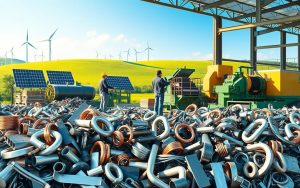
Non-ferrous metals like copper, brass, aluminium, and lead are in high demand. They usually get a better price in scrap markets.
Acceptance rules often include:
- Sorting by metal type
- Keeping materials clean and free from contamination
- Identifying them properly for processing
Appliances and Electronic Waste Policies
Big appliances and electronic waste need special care. Many places accept items with at least 80% metal, following certain steps.
Important steps include:
- Removing Freon from fridges by experts
- Separating electronic parts when needed
- Following specific drop-off rules for big items
Correct preparation ensures these items can be safely recycled. This supports sustainable use of resources.
Speciality Items and Their Recycling Processes
Many everyday items need special recycling methods. These methods are different from usual recycling. This is because these items are complex or can harm the environment.
Electronics and E-Waste Handling
Electronic waste is growing fast worldwide. Proper e-waste handling stops harmful materials like lead and mercury from polluting soil and water.
In places like Colonial Heights, throwing away electronic devices is not allowed. Recycling centres accept computers, monitors, phones, and more through special programmes.
These centres take apart devices to get valuable metals. They also safely get rid of toxic parts. They follow strict rules to protect the environment during e-waste handling.
Battery Recycling Programmes
Batteries have heavy metals and corrosive stuff that need special battery recycling methods. Each battery type, like alkaline or lithium-ion, needs its own way of recycling.
Recycling centres have special bins for batteries. This stops fires and makes sure batteries are sorted right before recycling.
Special battery recycling places get valuable materials like lithium and cobalt. They also make sure to get rid of dangerous parts. Never put batteries in regular recycling bins because it can contaminate them.
Textile and Clothing Recycling
The fashion world makes a lot of waste, making textile recycling key. Most recycling centres take clean, dry clothes, even if they’re damaged.
Clothes are sorted by material and quality. Clothes that can be worn again go to charities. Damaged fabrics are used for industrial cleaning or insulation.
This way of recycling clothes helps reduce landfill waste. Make sure clothes are clean and dry to help the recycling process.
Household Hazardous Waste Management
Many household items have chemicals that need special disposal. Look for labels like “danger,” “poison,” or “warning” to spot hazardous materials.
Recycling centres have special events for these items. They accept things like paints, solvents, pesticides, and cleaning products with dangerous chemicals.
Experts handle these materials safely. They use methods like neutralisation, encapsulation, or special treatments. This keeps the environment safe and recovers as many resources as possible.
Preparation Guidelines for Recycling Materials
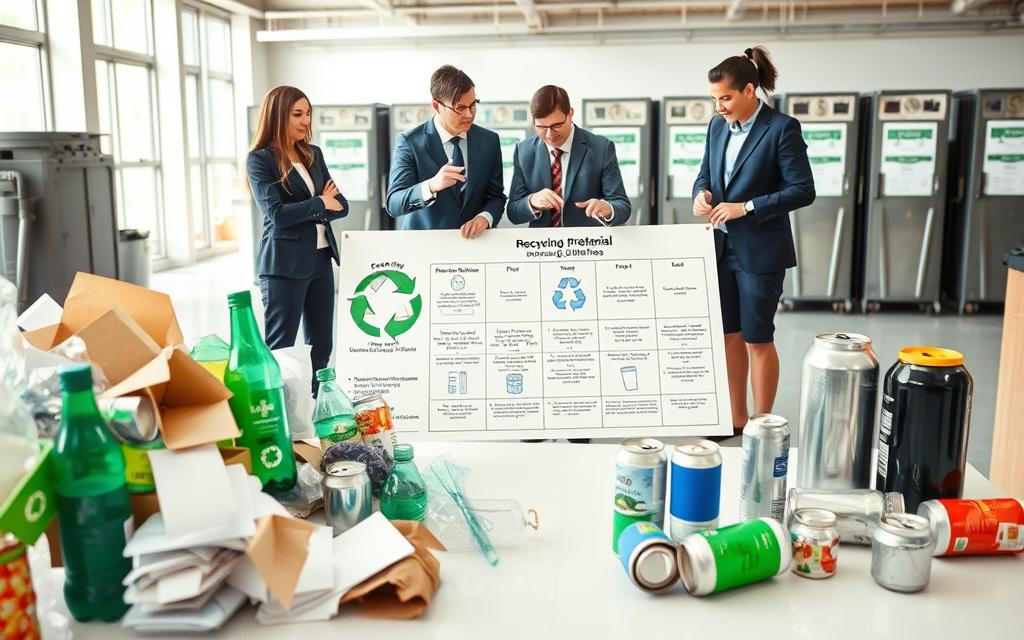
Getting your recyclables ready right makes recycling better and cuts down on waste. By following these tips, you help make sure your items get recycled, not thrown away.
Cleaning and Rinsing Requirements
It’s important to clean recyclables well to stop bad smells and pests. Food left on containers can spoil the whole batch, making it hard to recycle.
Here’s how to rinse:
- Use just a little water to rinse containers
- Take off any food bits
- Let items dry before recycling
- Don’t recycle greasy pizza boxes; compost them instead
Sorting and Separating Different Materials
How you sort recyclables can change based on where you live. Some places need you to sort by type, while others take everything together.
Always check what your local recycling centre wants:
- Keep glass separate from other materials
- Sort paper and cardboard
- Keep plastic types apart if needed
- Store metal items correctly
Removing Labels and Caps
Most recycling places can handle containers with labels. But, taking off labels can help some materials get recycled better.
Here’s what to do:
- Plastic bottles: Caps are okay if the centre says so
- Glass containers: Labels usually go with the glass
- Metal cans: Paper labels often burn off during recycling
- If unsure, remove labels to recycle properly
Flattening and Compacting Guidelines
Flattening cardboard and other items saves space and money. It also helps the environment by cutting down on transport costs.
Here’s how to compact right:
- Make cardboard boxes flat
- Crush aluminium cans if allowed
- Avoid making materials too tight
- Follow size guidelines for flat items
| Material Type | Cleaning Required | Sorting Needed | Compaction Recommended |
|---|---|---|---|
| Plastic Containers | Thorough rinsing | By resin number | No |
| Glass Bottles | Light rinsing | By colour if required | Never |
| Cardboard | Remove food residue | Separate from paper | Flatten completely |
| Aluminium Cans | Quick rinse | Keep separate | Light crushing |
| Paper Products | Dry cleaning only | Keep dry and separate | No compaction |
By following these steps, your recycling helps the planet more. Well-prepared materials recycle better, reducing waste and helping our planet.
Materials Typically Not Accepted at Recycling Centres
Recycling centres are key to managing waste sustainably. But, they can’t handle every material. Knowing what they can’t accept helps avoid contamination and keeps things running smoothly. Here’s a list of common items they usually can’t recycle.
Contaminated or Soiled Materials
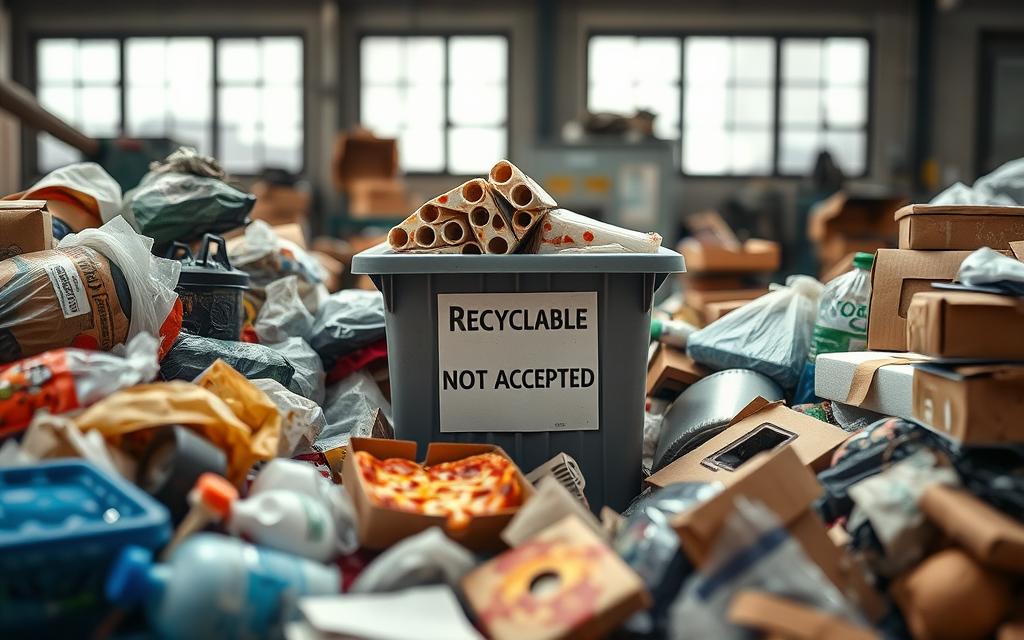
Recycling centres can’t deal with items covered in food, oils, or chemicals. These can spoil whole batches of recyclables, making them useless for recycling.
Examples include pizza boxes with grease, plastic containers with food, and paper with liquids. Places like Calvert County won’t take insecticides, poisons, acids, or strong chemicals.
Always clean containers before recycling. Take out any food to stop contamination of other materials.
Certain Plastic Types and Composites
Not all plastics can be recycled. Some plastics are made in a way that makes recycling hard or impossible.
Number 6 plastics, like Styrofoam, are a big problem. They can’t be recycled through normal programs. Plastic films, like shopping bags and wrap, also can’t be mixed with other recyclables.
Materials made from different plastics or mixed materials are hard to recycle. They need special processes that most places can’t handle.
Medical Waste and Sharps
Medical waste is a big risk for recycling centre staff. They can’t take any medical items through regular recycling.
This includes used syringes, needles, blood-soaked items, and medicines. They need special handling to avoid contamination and keep people safe.
Most places have special programs for medical waste. Check with your local health department for how to dispose of it properly.
Construction Debris and Certain Building Materials
Construction and demolition waste need special handling that recycling centres can’t do. These materials often have different parts that are hard to separate.
Examples include drywall, lumber, concrete, and roofing materials. Calvert County says these need separate handling with extra fees.
Many places have special recycling centres for construction materials. These centres can sort and process these complex items properly.
| Material Type | Examples | Reason for Rejection | Alternative Disposal |
|---|---|---|---|
| Contaminated Items | Greasy pizza boxes, food containers | Risk of contaminating entire batches | Composting or general waste |
| Problem Plastics | Styrofoam, plastic films | Non-recyclable composition | Specialised recycling programmes |
| Medical Waste | Syringes, medications | Health and safety risks | Medical waste facilities |
| Construction Materials | Drywall, concrete, lumber | Requires specialised processing | Construction recycling centres |
Properly disposing of these materials helps recycling centres work better. Always check with your local centre for specific rules on these tricky items.
Environmental Impact and Benefits of Proper Recycling
Proper recycling helps our planet in many ways. It makes our environment healthier. This section looks at how recycling benefits us and the planet.
Reducing Landfill Waste
Landfills are big, but they’re not perfect. Recycling cuts down the waste that goes into them. This landfill reduction saves land and protects our water and soil.
Recycling also means less methane. Methane is a bad gas that harms our climate. It comes from waste in landfills.
Conserving Natural Resources
Recycling is key to saving our resources. It means we don’t have to dig up new stuff. This protects our forests and keeps our earth safe.
Using recycled materials uses less water and hurts the environment less. It helps our planet last longer for our kids and grandkids.
Energy Savings and Carbon Reduction
Recycling uses less energy than making new things. For example, recycling aluminium saves 95% of energy. Recycling paper uses 40% less energy.
This energy saving means less carbon in our air. Fewer fossil fuels are burned. This helps fight climate change.
Supporting Circular Economy Principles
Recycling is the base of a circular economy. It’s different from the old “take, make, dispose” way. In a circular economy, things are used over and over.
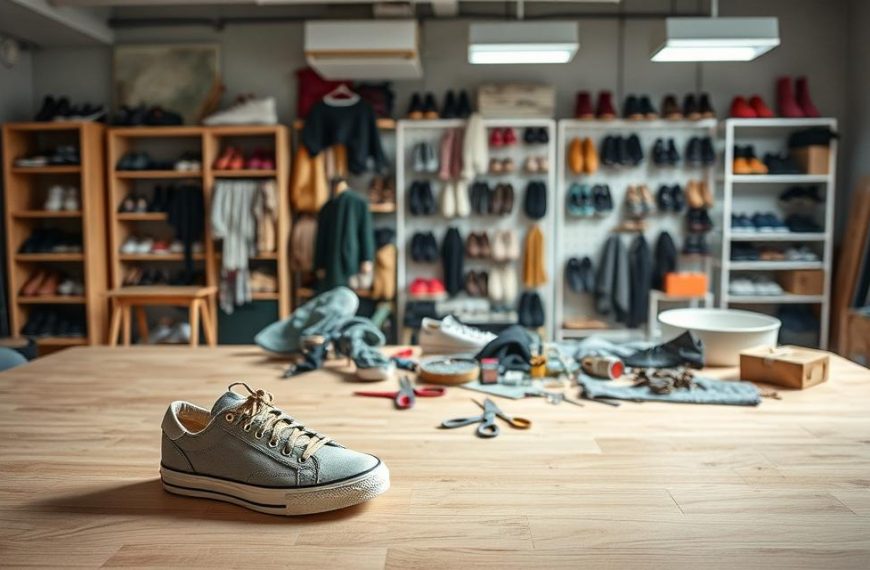
Products like old shoes get a second life. This creates jobs and cuts down on waste. It’s a smarter way to use materials.
Switching to circular systems is our chance for a sustainable future. It turns waste into a valuable resource.
How to Find and Utilise Your Local Recycling Centre
Finding your nearest recycling centre is easy. Many places have great resources to help you find and use them well.
Locating Facilities in Your Area
Online is the best way to find your local recycling centre. Many councils have interactive maps on their websites. For example, Mecklenburg County has a recycling location finder to help you find drop-off points.
You can also call your local council’s waste department. They have lists of recycling places and can give you directions.
Understanding Operating Hours and Policies
Each recycling centre has its own rules and times. You’ll need to show proof of where you live, like a driver’s licence. Colonial Heights, for example, checks if you live there before taking your stuff.
Some places have limits on how much you can bring, like liquids. Always check these rules before you go to avoid problems.
Drop-off Procedures and Best Practices
Knowing the drop-off procedures helps recycling centres work better. You usually need to sort your stuff into the right bins before leaving.
Staff can help with unloading and answer your questions. Make sure your car is secure and follow safety signs while you’re there.
| Material Type | Preparation Required | Drop-off Location |
|---|---|---|
| Paper & Cardboard | Flatten and bundle | Blue designated bins |
| Glass Containers | Rinsed and labels removed | Green collection area |
| Plastic Bottles | Caps removed and crushed | Yellow sorting station |
| Electronics | Data wiped from devices | Special handling building |
Special Collection Events and Programmes
Many places have special collection events throughout the year. These events take things not usually accepted, like hazardous waste or big electronics.
There are also seasonal programmes, like recycling Christmas trees or shredding documents. Check your council’s website or social media for event details and how to join in.
Some areas offer special curbside collections during these events. You might need to sign up in advance to make sure they can handle it.
Conclusion
Recycling centres are key in turning our waste into useful resources. They take many materials like paper, plastics, metals, and electronics. Knowing what your local centre accepts helps make your recycling efforts count towards a greener future.
Following the right recycling practices makes the whole process better. Cleaning, sorting, and preparing materials properly helps centres work more efficiently. This way, we avoid contamination and make recycling more valuable.
Every item we recycle saves resources and reduces landfill space. By recycling, we support the circular economy and lessen our environmental footprint. Local recycling centres need our help to achieve their green goals.
Use this guide to make better choices about how we manage waste. Find your nearest recycling centre and learn what they need. By recycling regularly, we can build greener communities together.
Your actions today will impact our planet’s future. Make recycling a habit and inspire others to do the same. Every small effort we make adds up to make a big difference for our planet.
FAQ
What is a recycling centre and how does it differ from a regular waste disposal site?
A recycling centre is a place where recyclable materials are sorted and processed. It helps keep these materials out of landfills. Unlike regular waste sites, recycling centres focus on saving resources and protecting the environment.
In places like Colonial Heights, you might need to show you live there to drop off materials. County centres, on the other hand, serve a wider area with their own rules.
What types of materials are commonly accepted at recycling centres?
Recycling centres take many materials, like paper, plastics, glass, and metals. For example, Calvert County lists what you can bring to help you prepare correctly.
How should I prepare my recyclables before taking them to a centre?
Before taking recyclables, rinse them clean and flatten cardboard. Make sure to sort items as your local centre suggests. Calvert County says to leave labels on but remove caps if needed.
This helps keep the recycling process efficient and clean.
Are hazardous materials like motor oil or paint accepted at recycling centres?
Yes, many centres have special programmes for hazardous waste. Places like Colonial Heights and Calvert County have safe drop-off points for items like motor oil and paint.
What items are generally not accepted at recycling centres?
Centres usually don’t take dirty or contaminated items. This includes plastics like Styrofoam, medical waste, and construction debris. Calvert County, for example, has a list of banned items and where to dispose of them.
How does recycling benefit the environment?
Recycling cuts down on landfill waste and saves natural resources. It also uses less energy than making new products. This helps lower carbon emissions and supports a sustainable future.
Where can I find my local recycling centre and what should I know before visiting?
You can find recycling centres on council websites or through waste management offices. Check their hours, if you need to live nearby, and any limits on how much you can bring. Knowing how to prepare your items will make your visit easier.
Do recycling centres handle electronic waste and appliances?
Yes, many centres take electronic waste and appliances. But, they have specific rules. For example, Colonial Heights and Calvert County might need you to remove Freon from fridges or have special days for electronics. Always call ahead to find out how to recycle these items.
What role do recycling centres play in community education?
Recycling centres teach people about waste management through workshops and resources. They help spread the word on how to recycle right and why it’s important for the planet.
Can textiles and clothing be recycled at these centres?
Yes, many centres recycle clean and dry textiles and clothing. Some work with textile recyclers or charities, like Calvert County. They provide tips on how to prepare these items for recycling.

 By
By
 By
By