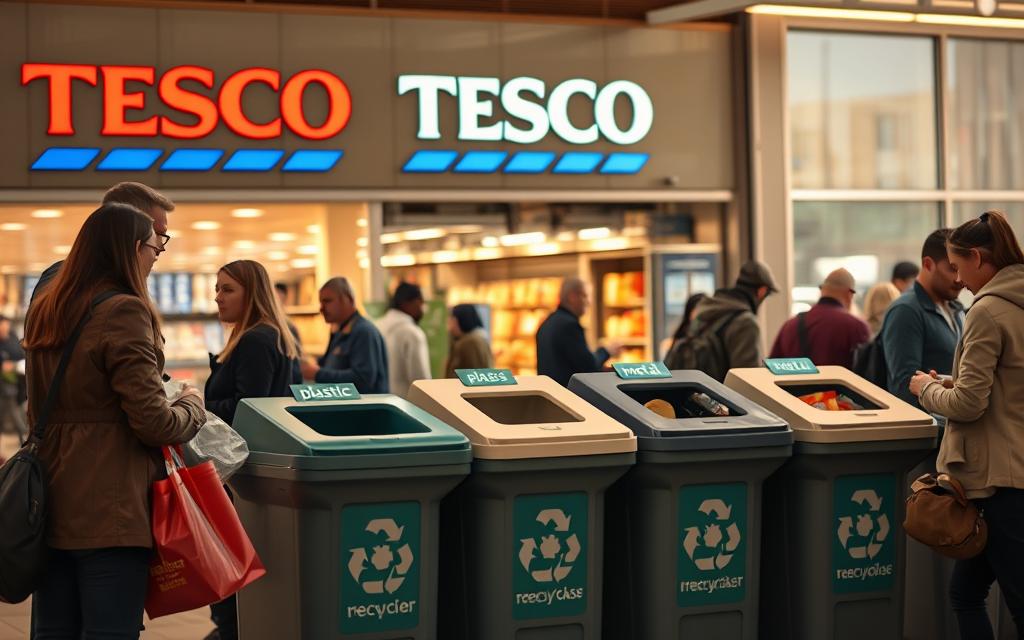

Tesco, one of the UK’s leading supermarkets, has been actively promoting sustainability through various initiatives, including recycling programmes.
Customers can contribute to reducing waste by recycling their used items in designated areas within Tesco stores.
To make the most of Tesco’s recycling facilities, it’s essential to know the locations and tips for effective recycling.
By understanding how to utilise these services, shoppers can play a significant role in enhancing waste management practices in their community.
Tesco’s Commitment to Sustainability
As a leading UK retailer, Tesco is dedicated to reducing its environmental footprint. Tesco’s commitment to sustainability is evident in its comprehensive strategies aimed at minimizing environmental impact while promoting sustainable practices among its customers and stakeholders.
The 4Rs Strategy: Remove, Reduce, Reuse, Recycle
Tesco has adopted the 4Rs strategy as a cornerstone of its sustainability efforts. This approach involves:
- Remove: Eliminating unnecessary packaging and reducing waste.
- Reduce: Minimizing the use of resources and materials in operations and packaging.
- Reuse: Encouraging the reuse of materials and packaging where possible.
- Recycle: Ensuring that materials are recycled, thereby reducing landfill waste.
This multi-faceted strategy enables Tesco to tackle environmental challenges from various angles, promoting a more sustainable retail environment.
Environmental Targets and Achievements
Tesco has set ambitious environmental targets, including reducing carbon emissions, minimizing waste, and increasing the use of renewable energy. The company has made significant progress in these areas, achieving notable reductions in its carbon footprint and waste output. Tesco continues to monitor and report on its environmental performance, striving for continuous improvement in its sustainability journey.
By focusing on these key areas, Tesco demonstrates its commitment to environmental stewardship and sustainability, setting a positive example for the retail industry.
Understanding Tesco’s Recycling Initiatives
As a leading retailer, Tesco is committed to reducing its environmental footprint through innovative recycling schemes. The company has introduced several initiatives aimed at minimising waste and promoting sustainability across its operations.
Soft Plastic Recycling Scheme
Tesco’s Soft Plastic Recycling Scheme is a significant initiative that allows customers to recycle soft plastics, such as packaging for food and other household items. This scheme helps to divert a substantial amount of waste from landfills and promotes the recycling of plastic materials.
The scheme operates in numerous Tesco stores across the UK, with designated collection points for soft plastics. Customers can deposit their soft plastic waste into these bins, which are then collected and processed for recycling.
Electrical and Electronic Equipment Recycling (WEEE)
Tesco also participates in the Electrical and Electronic Equipment Recycling (WEEE) scheme, which encourages the responsible disposal of electronic waste. This initiative helps to ensure that electrical items are recycled in an environmentally friendly manner.
The WEEE scheme is crucial in reducing electronic waste and promoting the reuse and recycling of valuable materials found in electrical equipment. Tesco’s participation in this scheme underscores its commitment to environmental sustainability.
How to Recycle at Tesco: Step-by-Step Guide
Recycling at Tesco is not only beneficial for the environment, but it’s also easy to do. By following a few simple steps, customers can contribute to a more sustainable future.
Finding Recycling Points in Stores
Tesco stores are equipped with designated recycling points for various materials. To locate these, customers can look for signage within the store or ask staff for assistance. Most stores have dedicated areas for recycling soft plastics, electrical items, and other materials.
Additionally, Tesco’s website provides a store locator tool that can help customers find their nearest store and its recycling facilities.
| Recyclable Material | Location in Store |
|---|---|
| Soft Plastics | Near the entrance or in a designated recycling area |
| Electrical Items | Electronics department or customer service desk |
Preparing Your Items for Recycling
To ensure that items are recycled correctly, it’s essential to prepare them properly. This includes cleaning containers, removing lids and labels, and flattening cardboard boxes.
Tips for Preparing Items:
- Rinse food and drink containers before recycling
- Remove any non-recyclable parts, such as lids or labels
- Flatten cardboard to save space in recycling bins
By following these simple steps, customers can help ensure that their recyclables are processed correctly and contribute to a more efficient recycling system.
What Can Be Recycled at Tesco
Tesco offers a variety of recycling options for its customers. The store has implemented several initiatives to make recycling easier and more accessible.
Soft Plastics Accepted
Tesco accepts a range of soft plastics for recycling. This includes various types of plastic packaging that are commonly used in households.
Bread Bags, Crisp Packets, and Food Wrappers
Soft plastic items such as bread bags, crisp packets, and food wrappers can be recycled at Tesco. These items are collected in designated recycling bins located throughout the store.
Examples of accepted soft plastics:
- Bread bags
- Crisp packets
- Food wrappers
- Plastic packaging from various food items
Plastic Bags and Film
In addition to the aforementioned items, Tesco also recycles plastic bags and film. These are collected separately to ensure proper processing.
Hard-to-Recycle Materials
Tesco also provides facilities for recycling hard-to-recycle materials. This includes items that are not typically collected in standard recycling programs.
Examples include:
- Certain types of plastic packaging
- Other non-standard recyclable materials
Electronic Waste and Batteries
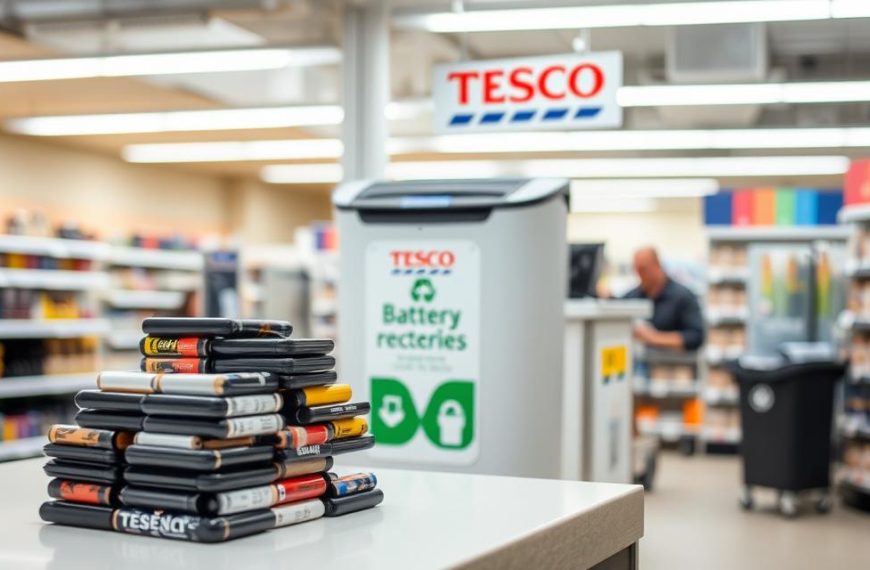
Tesco stores also have designated areas for recycling electronic waste and batteries. This initiative helps to ensure that hazardous materials are disposed of safely.
Items accepted:
- Electronic devices
- Batteries
Special Recycling Programmes and Partnerships
As part of its sustainability efforts, Tesco has introduced several special recycling initiatives. These programmes are designed to reduce waste and promote environmentally friendly practices across its operations.
TerraCycle Partnership
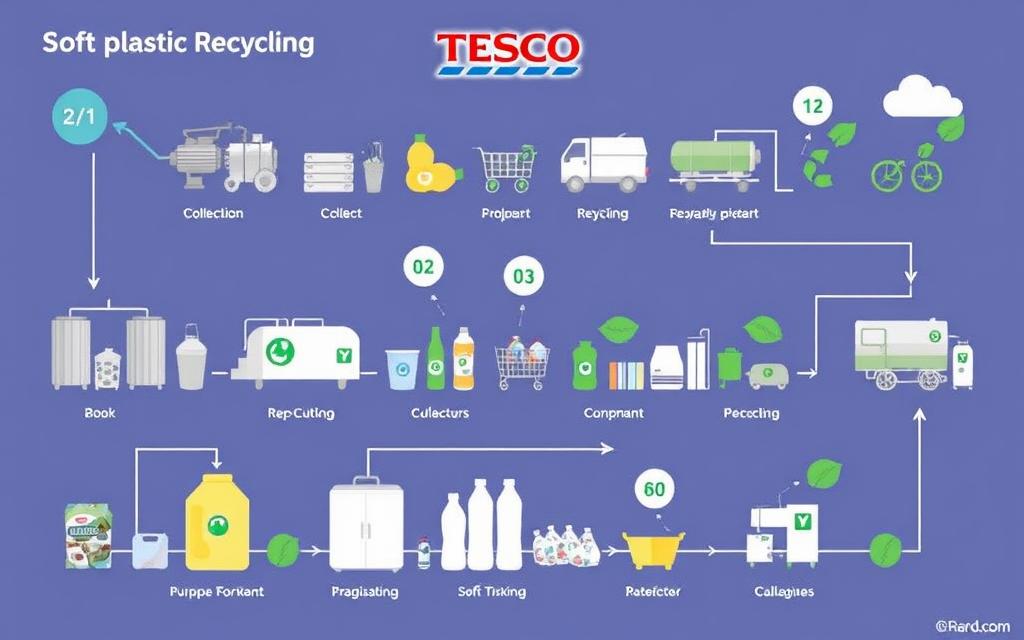
Tesco has partnered with TerraCycle to enhance its recycling capabilities, particularly for hard-to-recycle materials. TerraCycle is a global leader in recycling complex waste streams, and this partnership allows Tesco to expand its recycling programmes. For instance, soft plastic packs collected from Tesco stores are being converted into furniture and tools for NHS gardens, as reported in a recent article on Packaging Europe.
Loop Reusable Packaging Initiative
Tesco is also participating in the Loop reusable packaging initiative, which aims to reduce single-use packaging. Loop allows customers to purchase products in durable, reusable containers that are collected, cleaned, and reused. This initiative is part of Tesco’s broader strategy to minimize waste and promote sustainable consumption.
These initiatives demonstrate Tesco’s commitment to innovative recycling solutions and its efforts to lead the way in sustainability within the retail sector.
Understanding Recycling Symbols and Labels
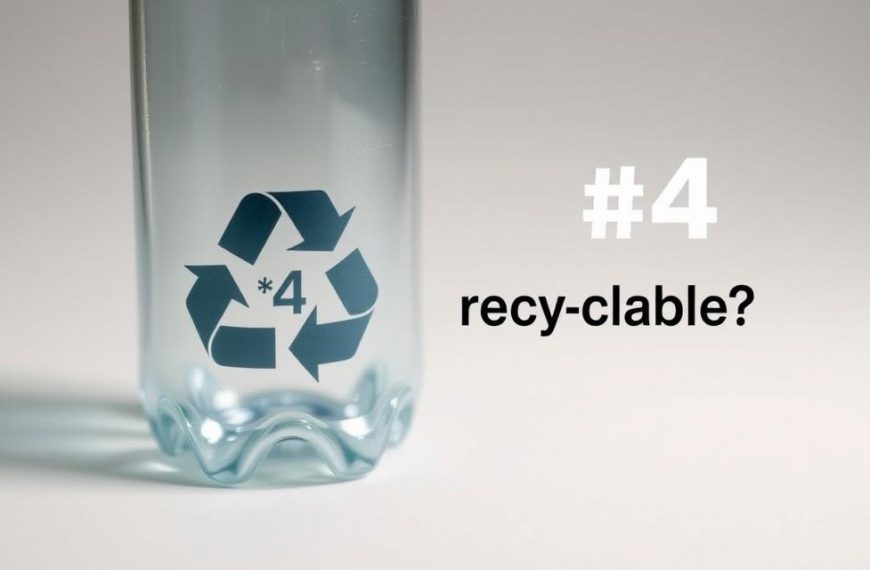
Understanding the various recycling symbols and labels is essential for effective recycling practices. These symbols provide crucial information about the materials used in packaging and whether they can be recycled.
Recycling symbols and labels help consumers make informed decisions about the products they purchase and how to dispose of them properly. Tesco, like many other retailers, uses these symbols to guide customers on recycling practices.
Tesco’s Preferred Materials List
Tesco has a preferred materials list that outlines the materials they prefer suppliers to use for packaging. This list is designed to reduce waste and increase recyclability.
- Materials that are widely recyclable
- Materials that are lightweight
- Materials that are made from recycled content
By favouring these materials, Tesco aims to minimize environmental impact and promote sustainable practices throughout their supply chain.
Common Recycling Symbols on Packaging
There are several common recycling symbols found on packaging. Understanding these symbols can help consumers recycle more effectively.
| Symbol | Description |
|---|---|
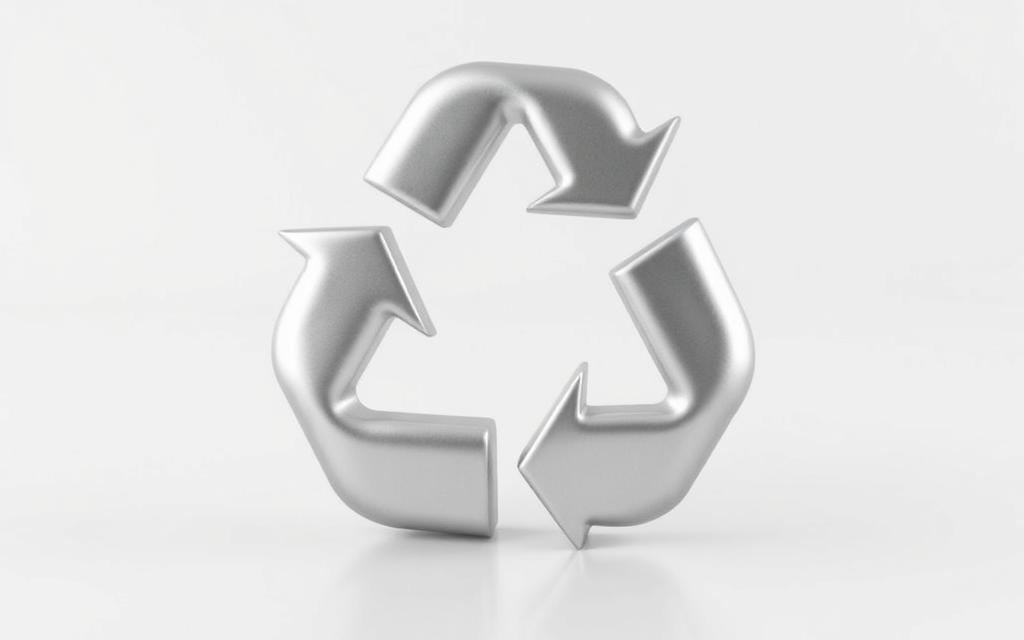 | Indicates the type of plastic used |
| Signifies that the product is made from paper and is recyclable |
Recognizing these symbols can significantly improve recycling rates and reduce contamination in the recycling stream.
As stated by the Waste & Resources Action Programme (WRAP), “Clear and consistent labelling is crucial for effective recycling.” This emphasizes the importance of understanding recycling symbols and labels.
“The key to successful recycling lies in the details – understanding what can be recycled, how to prepare it, and where to take it.”
Common Mistakes to Avoid When Recycling at Tesco
To maximise the impact of recycling at Tesco, it’s crucial to avoid some frequent errors. Understanding these mistakes can significantly enhance the effectiveness of your recycling efforts.
Contamination Issues
One of the most significant challenges in recycling is contamination. When recyclables are contaminated with food, liquids, or other non-recyclable materials, it can render them unrecyclable. For instance, a pizza box with food residue or a plastic bottle with liquid can contaminate other recyclables. Ensuring that items are clean and dry before placing them in recycling bins is essential.
Tips to avoid contamination:
- Rinse food and liquid containers before recycling.
- Remove lids and labels from recyclable items.
- Keep recyclables dry and clean.
Non-Recyclable Items Often Mistaken as Recyclable
Some items are frequently mistaken as recyclable when they are not. For example, certain types of plastic packaging, like crisp packets or snack wrappers, are not accepted in standard recycling programs. Similarly, items like broken glass or ceramics are often not recyclable through Tesco’s facilities. Being aware of what can and cannot be recycled is crucial.
Examples of non-recyclable items:
- Broken glass or ceramics.
- Certain types of plastic packaging (e.g., crisp packets).
- Food waste or soiled paper products.
By avoiding these common mistakes, you can significantly improve the effectiveness of your recycling efforts at Tesco.
Conclusion
The journey to sustainability is a collective effort, and Tesco’s recycling programs are a significant step in the right direction. By understanding and participating in these initiatives, customers can contribute to a more environmentally friendly shopping experience. Tesco’s commitment to reducing its environmental impact is evident through its various recycling schemes, including soft plastic recycling, electrical and electronic equipment recycling, and partnerships with organizations like TerraCycle.
Key Takeaways: Tesco offers multiple recycling options in its stores, including soft plastic recycling points and facilities for recycling electrical items. Customers can prepare their items for recycling by ensuring they are clean and free of contaminants. By making informed choices and using these recycling facilities, shoppers can significantly reduce their waste.
In conclusion, Tesco’s efforts to enhance recycling practices demonstrate its dedication to sustainability. By continuing to support and participate in these programs, customers can help create a more sustainable future. For more information on recycling locations and guidelines, customers can visit Tesco’s website or contact their local store.

 By
By