
Many people get confused about waste management. They’re not sure where different materials go or how to deal with household items.
This guide answers those questions. We’ll cover recycling basics and advanced methods for various materials.
Proper disposal is more than just throwing things in a bin. It means knowing local rules and what your recycling centre accepts.
Our guide focuses on being precise and following local rules. You’ll find out how to make your home more sustainable.
Why Proper Recycling Matters
Correct recycling offers two big benefits: it helps the planet and boosts the economy. What we do with our waste affects the environment and our community’s well-being.
The Environmental Benefits of Correct Recycling
Recycling turns waste into a tool for protecting our planet. When we sort and process materials right, they get a second chance instead of ending up in landfills.
Reducing Landfill Waste and Pollution
One key environmental benefit of recycling is cutting down landfill waste. Every tonne we save from landfills helps the environment and prevents pollution.
The EPA says recycling saved over 193 million metric tons of carbon dioxide emissions in a year. This shows recycling’s role in fighting climate change.
Recycling also cuts down on air and water pollution from waste. When we separate organic and recyclable materials, methane emissions from landfills decrease.
Economic Impacts of Recycling
The recycling industry brings economic benefits like jobs and saving resources. It helps local economies grow and supports sustainable development.
How Recycling Supports Local Economies
Recycling has a big economic impact by helping industries and saving money for local governments. It also creates jobs in waste management and recycling.
In 2020, recycling and reuse created 681,000 jobs in the US. These jobs span from collecting waste to making products from recycled materials.
The recycling industry boosts local economies in several ways:
- It provides jobs in waste collection and processing.
- It supports manufacturing with recycled materials.
- It offers retail opportunities for eco-friendly products.
| Economic Factor | Impact Level | Key Benefits |
|---|---|---|
| Job Creation | High | 681,000 positions nationwide |
| Resource Conservation | Medium-High | Reduced raw material costs |
| Municipal Savings | Medium | Lower landfill expenses |
| Manufacturing Support | High | Stable material supply chains |
Communities that recycle well often get better public services. They use savings from waste management for schools, parks, and infrastructure.
The circular economy shows recycling’s value in creating new products from waste. It benefits businesses and communities alike, promoting sustainable development.
Your Complete Recycling Guide
Understanding your local recycling programme is key. It involves knowing the specific rules set by your council. This guide will help you learn about your area’s recycling rules and how to avoid contamination.
Understanding Local Recycling Rules
Recycling rules vary a lot between councils. What’s okay in one place might not be in another. Knowing your local rules is essential for recycling right.
Finding Your Council’s Specific Requirements
Start by checking your council’s website for recycling guidelines. They list what can be recycled, when to put it out, and how to prepare it. Many councils also have printable guides for easy reference.
If the website isn’t enough, call your council’s waste management team. They can answer specific questions and provide more help. Some councils even offer workshops or home visits to help residents.
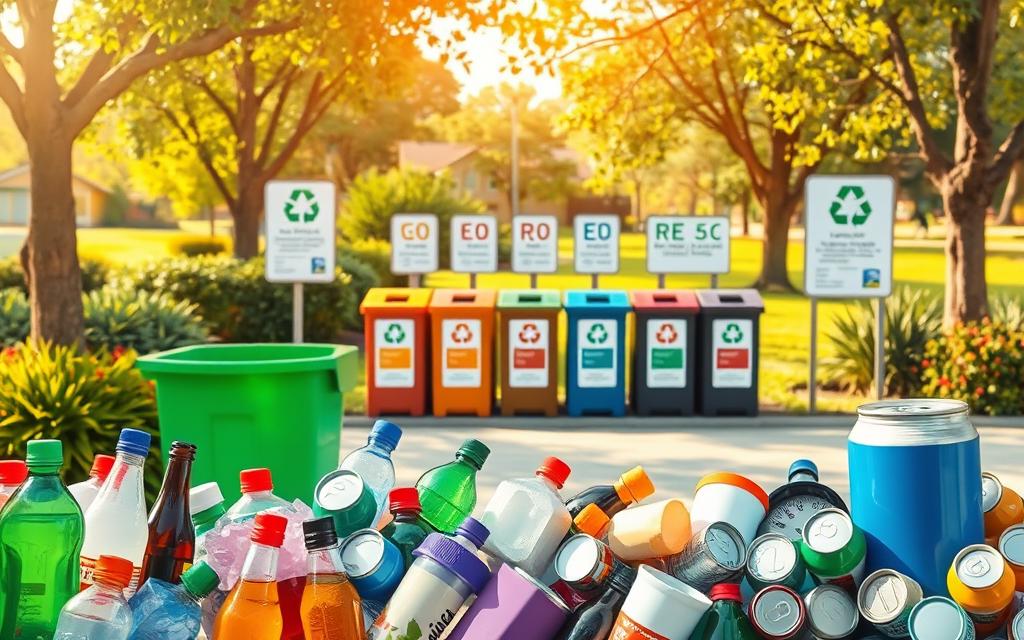
The Importance of Contamination Prevention
Contamination happens when the wrong materials get mixed in with recyclables. This big problem can ruin the recycling process. It’s important to know how to avoid it to help recycling work better.
How One Wrong Item Affects Entire Loads
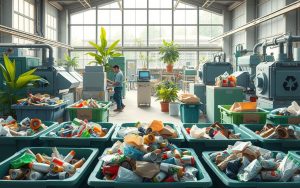
When the wrong items get recycled, they can damage machines and lower material quality. Just one bad bin can ruin a whole truckload. This means good materials might end up in the landfill, costing more and harming the environment.
Common problems include food left in containers, plastic bags mixed in, and non-recyclable plastics. These can mess up machines or ruin clean materials during processing.
| Contamination Type | Impact on Recycling | Prevention Method |
|---|---|---|
| Food Residue | Spoils paper and cardboard quality | Rinse containers thoroughly |
| Plastic Bags | Tangles sorting machinery | Return to grocery stores for recycling |
| Non-Recyclable Plastics | Contaminates entire plastic batches | Check resin codes before recycling |
| Hazardous Materials | Creates safety risks at facilities | Use special household waste programmes |
Stopping contamination starts with knowing your local recycling rules and following your council’s council requirements. If unsure about an item, it’s safer to throw it away than risk polluting the recycling.
Mastering Plastic Recycling
Recycling plastics is tricky and needs careful attention. Knowing how to sort and prepare plastics is key to recycling right.
Decoding Plastic Resin Identification Codes
Every plastic item has a small triangle with a number inside. This is called the resin identification code. It ranges from 1 to 7 and tells us what kind of plastic it is.
What Numbers 1 Through 7 Actually Mean
Number 1 plastics include water bottles and food containers. Number 2 plastics are things like milk jugs and detergent bottles. Number 5 plastics are yogurt containers and bottle caps.
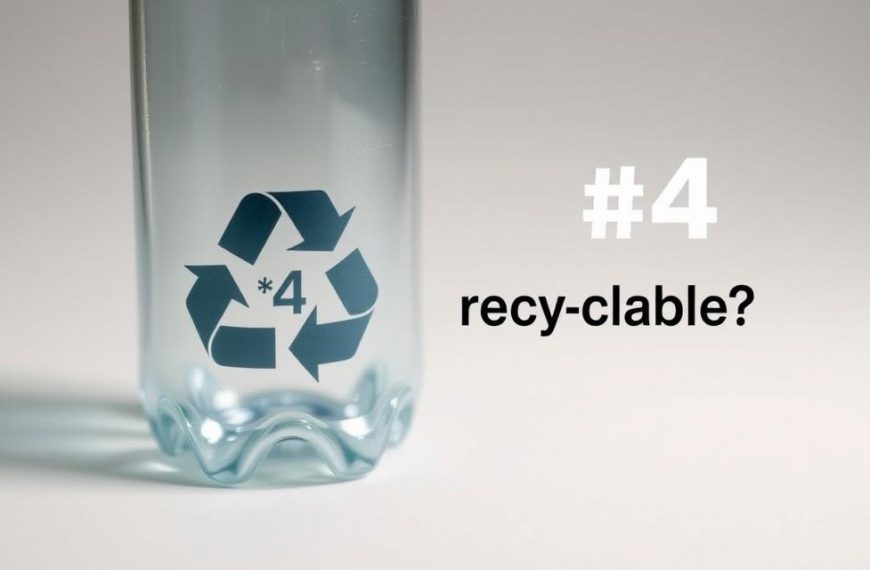
Numbers 3 (PVC), 4 (LDPE), 6 (PS), and 7 (Other) are harder to recycle. Many recycling programs only take numbers 1, 2, and 5 because of market demand and processing limits.
Preparing Plastic Items for Collection
Getting your plastics ready for recycling is important. It helps ensure they get recycled and don’t mess up other plastics. Here’s how to prepare them right.
Cleaning, Crushing and Lid Removal
Make sure to wash all containers well to get rid of food bits. Crush plastic bottles to save space in recycling trucks. Take off bottle lids because they’re often made of different plastics.
Check your local recycling rules for lids. Some places want you to put lids back on bottles, while others ask you to recycle them separately.
Common Plastic Recycling Mistakes
Many people accidentally put things in the recycling bin that shouldn’t be there. Knowing these common mistakes helps you recycle better.
Items That Don’t Belong in Your Bin
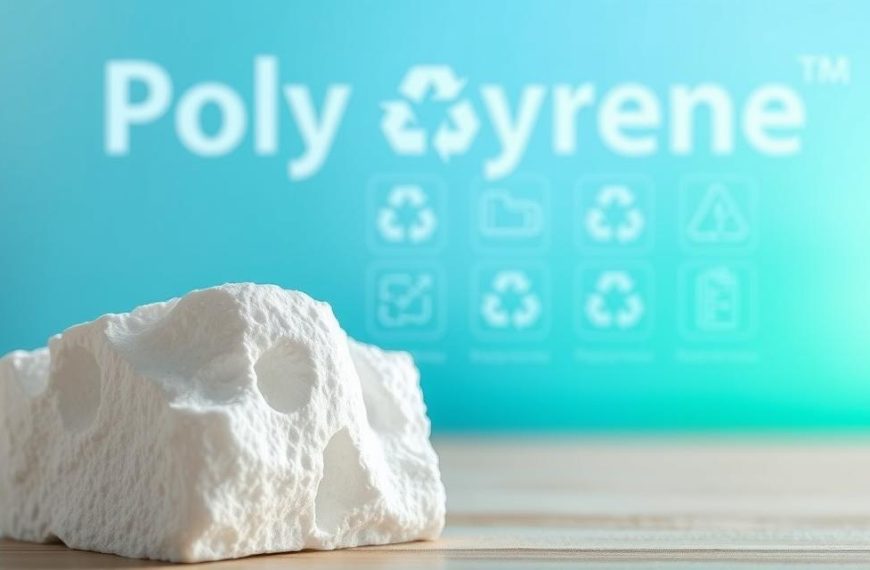
Plastic foam, like Styrofoam cups and packaging, usually can’t be recycled through curbside programs. Plastic utensils and straws are too small for recycling machines to handle.
Plastic bags and film plastics need special places to be recycled. They can get tangled around recycling machines, causing big problems and damage.
Paper and Cardboard Best Practises
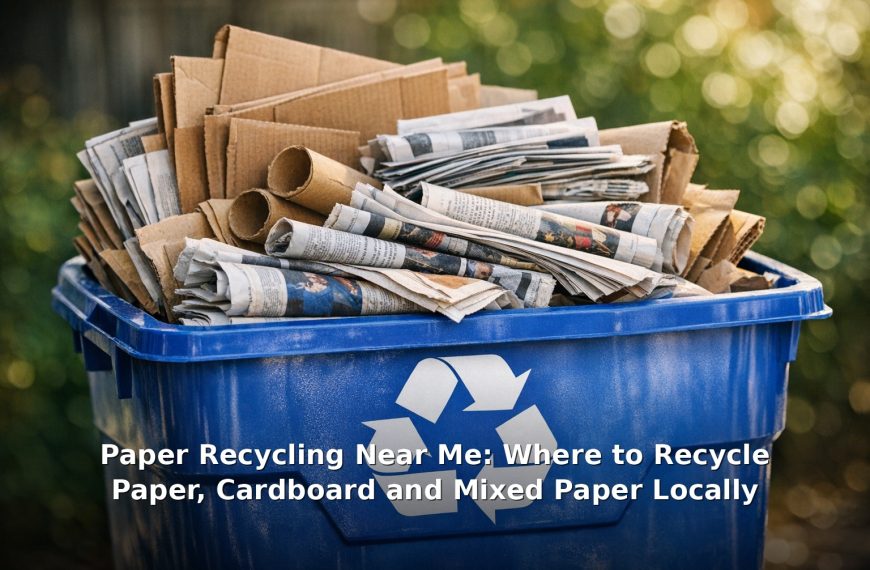
Paper products make up over 20% of waste. This shows a big chance for recycling in homes. Most paper can be recycled, but we must handle it right to avoid ruining batches.
Sorting Different Paper Types
Knowing the types of paper is key for recycling. Each type needs its own way to keep the recycling process good.
Office Paper vs Magazine Paper vs Cardboard
Office paper is the best for recycling. It can be recycled many times into new things.
Magazine paper needs special care because of its glossy finish. Check if your recycling centre accepts it.
Cardboard is also very recyclable. Try to keep cardboard boxes separate from other papers.
Preparing Cardboard for Recycling
Getting cardboard ready for recycling helps a lot. It saves space and makes recycling cheaper.
Breaking Down Boxes and Removing Tape
Flatten cardboard boxes before recycling. This saves space and cuts down costs.
Take off plastic tape and labels if you can. Too much tape can block recycling machines.
Check for plastic windows in packaging. Remove them if you can. This helps recycling work better.
Dealing with Contaminated Paper Products
Contamination is the biggest problem in recycling paper. Food and liquids can spoil whole batches.
Greasy Pizza Boxes and Other Challenges
Greasy pizza boxes are a big problem. The cardboard can be recycled, but grease can’t.
Dispose of greasy parts in regular trash. If it’s not too dirty, you might be able to recycle it.
Other tricky items include paper plates with food and wax-coated cardboard. Remember, “When paper products have food or liquid, composting or throwing them away is better.”
Always ask your local recycling centre what they can take. Some places can handle things others can’t.
Glass Recycling Techniques
To recycle glass well, you need to know about colour separation, how to prepare it, and what not to include. Glass can be recycled endlessly without losing quality. Yet, only about 31% of it is recycled in the United States, as the EPA reports. Using the right techniques helps make your recycling efforts count.
Separating Colours Properly
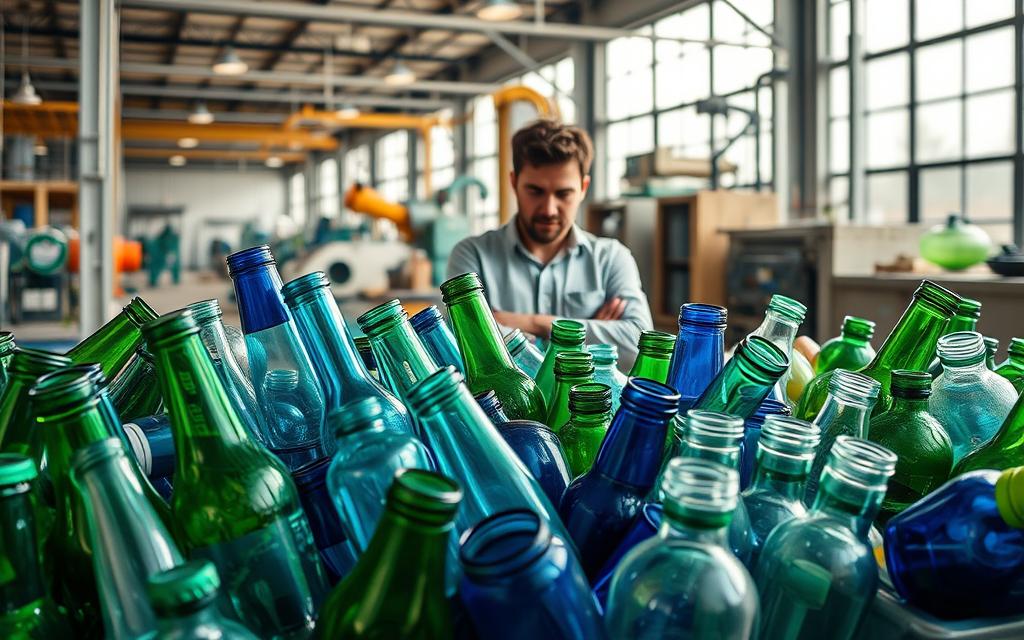
Different glass colours have unique chemical make-ups that affect their recycling value. Many recycling programs need you to sort glass by colour to keep it pure. This ensures the recycled glass is good enough for new products.
Clear, Green and Brown Glass Handling
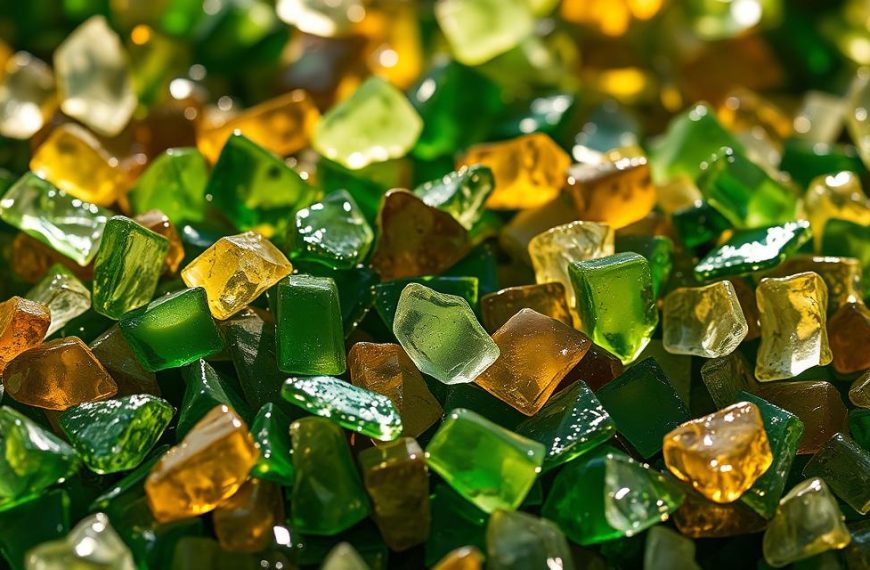
Clear glass is most valuable in recycling because it can be made into new clear containers. Green glass usually becomes new green bottles or fibreglass insulation. Brown glass keeps its colour and turns into new amber containers.
Always check what your local recycling program needs for glass colours sorting. Some places use special technology to sort mixed colours, while others need you to sort it yourself.
Preparing Glass Containers
Getting glass items ready right helps keep the recycling batch clean. Simple steps can greatly improve the quality of recycled materials.
Rinsing and Removing Labels
Make sure to rinse all glass containers well to get rid of food and liquids. This stops contamination and bad smells in recycling bins. While labels usually burn off during processing, removing them can make things more efficient.
Here’s how to prepare glass best:
- Empty all contents completely
- Rinse with water until clean
- Let it air dry before recycling
- Put caps and lids back on (check local rules)
What Not to Recycle with Glass
Knowing what non-recyclable glass items are helps avoid contamination. Many glass-like materials have different melting points and chemical make-ups that mess up recycling.
Drinking Glasses, Window Glass and Ceramics
Drinking glasses and glassware often have additives that change their melting point. Window glass, with its laminates or coatings, can’t be recycled for containers. Ceramics and ovenware also contaminate glass recycling and should be thrown away separately.
Here are some common non-recyclable glass items:
- Light bulbs and fluorescent tubes
- Mirrors and picture frame glass
- Laboratory glassware and Pyrex
- Crystal glassware and decorative items
If you’re unsure about an item’s recyclability, check your local recycling rules. If it’s not clear, it’s best to throw it away to avoid contamination.
Metal Recycling Essentials
Metal recycling is key in waste management worldwide. Metals can be recycled endlessly, making them perpetually reusable resources. This reduces mining needs and environmental harm.
Recycling metals saves a lot of energy. For example, recycling aluminium uses 95% less energy than making new metal. This makes aluminium recycling very important for saving energy and resources.
Aluminium Can Preparation
Preparing aluminium cans for recycling is easy. It helps keep them clean and ready for recycling. This makes the recycling process more efficient.
Rinsing and Crushing Techniques
Here’s how to prepare aluminium cans for recycling:
- Empty all liquid contents completely
- Rinse with a small amount of water to remove residue
- Allow cans to air dry before collection
- Crush cans vertically to save space in recycling bins
Crushing aluminium cans is optional but saves space and money. Make sure crushed cans are easy to identify as aluminium to avoid sorting problems.
Steel Food Can Recycling
Steel food cans are great for recycling. They are widely accepted and have a strong market demand for recycling.
Magnet Tests and Preparation
Steel cans can be identified with a magnet. If a magnet sticks, it’s ferrous metal and should be recycled.
Steps for preparing steel cans include:
- Remove paper labels when possible
- Rinse thoroughly to eliminate food residues
- Flatten larger cans to conserve bin space
- Keep lids inside the can when possible
Properly prepared steel cans help the circular economy. They reduce the need for new steel and lower environmental costs.
Aluminium Foil and Tray Recycling
Many people don’t know that aluminium foil and trays can be recycled. This is a big opportunity for foil recycling.
Cleaning and Balling Techniques
Food contamination is the main challenge in recycling foil. Follow these steps:
- Wipe or rinse foil to remove food particles
- Allow foil to dry completely before recycling
- Ball foil into a fist-sized sphere for sorting
- Combine smaller pieces into a single ball
Balling foil helps it get sorted correctly. Make sure it’s clean so no food residue sticks to your hands.
Don’t recycle heavily soiled foil or trays. They should go in regular waste to keep recycling clean. If unsure, it’s best to throw it away.
Electronics and E-Waste Disposal
Your old electronics have valuable materials that shouldn’t go to landfills. They need special handling through dedicated channels, not regular recycling bins.
Why Electronics Need Special Handling
Electronic devices have complex parts that need careful processing. Many gadgets have hazardous substances that can harm the environment if not handled right.
Hazardous Materials in Common Devices
Mobile phones have arsenic in their semiconductors. Older TVs may have leaded glass. Computer monitors have mercury in their backlighting, and lithium-ion batteries can be fire risks if damaged.
These materials need professional handling to avoid soil and water pollution. Specialised recycling facilities have the right equipment to safely manage these dangerous components.
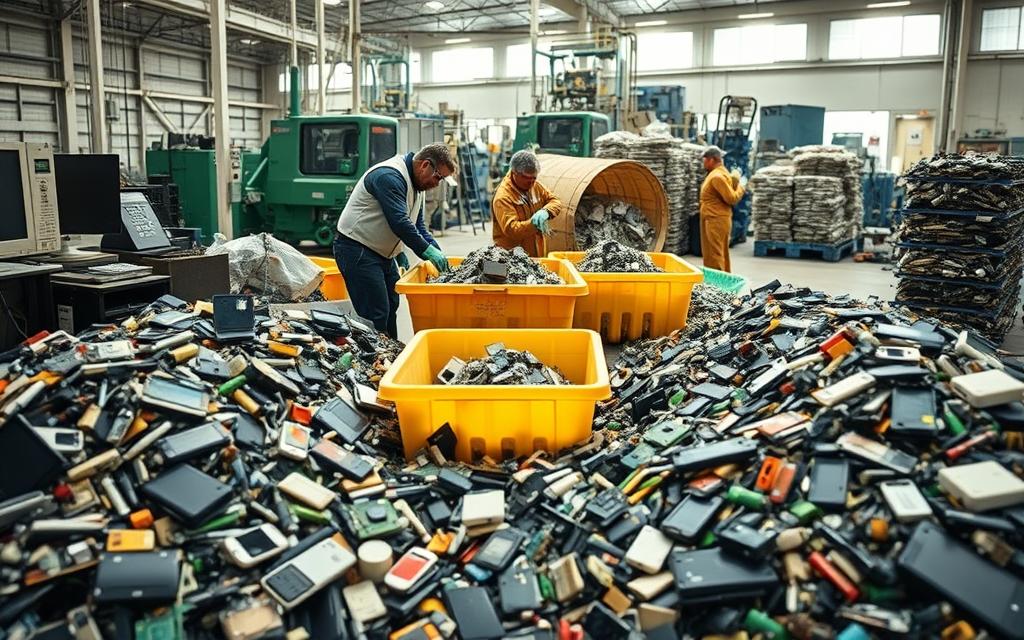
Finding Authorised E-Waste Collection Points
Finding proper disposal facilities ensures your electronics are recycled responsibly. Many communities offer programmes for electronic waste through various channels.
Local Council Schemes and Retailer Take-Back
Most local councils have programmes for hazardous waste collection. Many electronics retailers offer take-back services when you buy new equipment.
Some manufacturers have mail-back programmes for their products. Dedicated e-waste recycling facilities provide the best authorised collection services for all electronic items.
| Collection Method | Typical Items Accepted | Preparation Required | Best For |
|---|---|---|---|
| Council Collection Points | All household electronics | No disassembly needed | Large items like TVs |
| Retailer Take-Back | Brand-specific devices | Original packaging helpful | Recent purchases |
| Specialised Facilities | All electronic waste | May require sorting | Business equipment |
Data Security Before Recycling
Protecting your personal information is key before disposing of electronic devices. Computers, phones, and storage devices may have sensitive data that needs proper erasure.
Protecting Your Personal Information
Do factory resets on mobile devices and tablets before recycling. For computers, use data wiping software that meets government standards for secure deletion.
Remove SIM cards and memory cards from phones and cameras. Consider physical destruction of hard drives for highly sensitive information. But, professional data security services offer more environmentally friendly options.
Many authorised collection points provide data destruction certificates for added peace of mind. Always keep records of your data wiping actions when recycling business equipment.
Household Hazardous Waste Management
Managing household hazardous materials needs special care. It’s more than just recycling. These items must be handled carefully to keep your family and the environment safe.
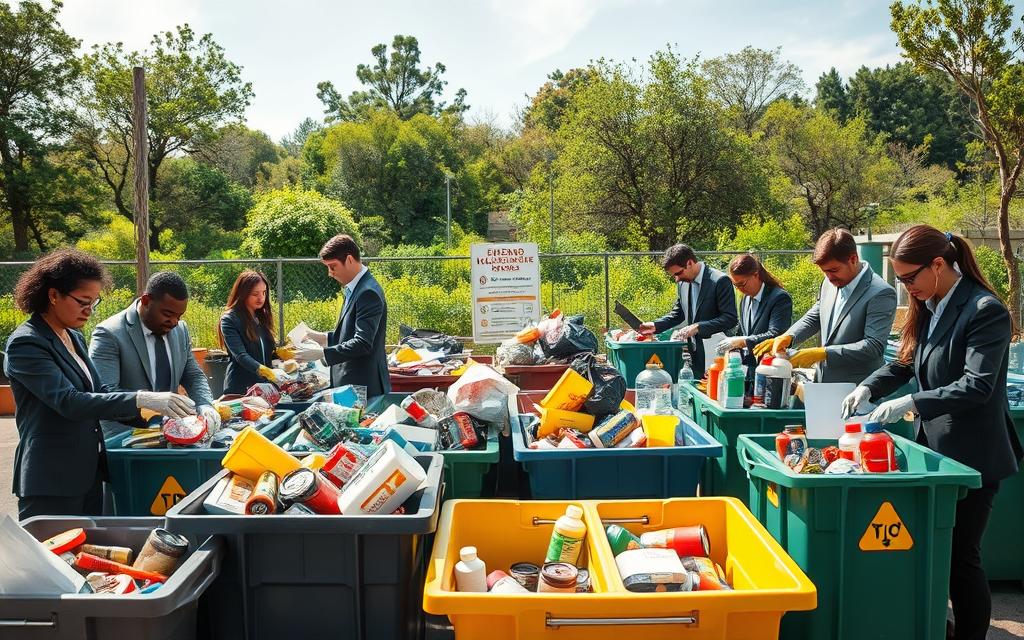
Identifying Hazardous Materials
Many household items are dangerous and need special disposal. Knowing what these are is the first step to managing them right.
Batteries, Paints, Chemicals and Light Bulbs
Batteries, like lithium-ion ones, can start fires if not thrown away right. Paints, chemicals, and some light bulbs, like CFLs, are also toxic.
These items can’t go in regular recycling or trash. They pose fire, leak, or pollution risks. So, they need special handling.
Safe Storage Until Collection
Storing these items safely prevents accidents until they’re disposed of properly. Here’s how to keep your home safe.
Preventing Accidents and Leaks
Keep hazardous materials in their original containers with tight lids. Store them in a cool, dry spot, away from kids and pets. This safe storage reduces spill or exposure risks.
Never mix different chemicals, as they can react badly. Keep them separate based on their danger levels for safety.
Local Hazardous Waste Programmes
Most places have special services for disposing of household hazardous waste. These services help keep people and the environment safe.
Finding Special Collection Events
Many areas have collection events for hazardous materials. These events take items like batteries, paints, chemicals, and light bulbs that can’t be thrown away normally.
Check your local household hazardous waste programme for event dates and what they accept. Some places have permanent facilities for disposing of these items all year.
| Material Type | Common Examples | Storage Requirements | Disposal Method |
|---|---|---|---|
| Batteries | Lithium-ion, alkaline, rechargeable | Keep terminals covered, store separately | Special battery recycling programmes |
| Paints & Solvents | Oil-based paints, thinners, stains | Original containers, tightly sealed | Hazardous waste collection events |
| Chemicals | Cleaners, pesticides, fertilizers | Cool, dry place away from sunlight | Community hazardous waste facilities |
| Light Bulbs | CFLs, fluorescent tubes, LEDs | Protect from breakage, original packaging | Retail take-back programmes or special collection |
Handling household hazardous waste properly keeps our communities and environment safe. Always use the right disposal methods to avoid harm.
Beyond Basic Recycling
Being an environmental steward means more than just recycling. It’s about using advanced methods to manage waste better. This section looks at ways to make a bigger difference.
Composting Organic Waste
Households throw away about 30% of their waste as food scraps and garden waste. Instead of landfill, composting organic waste turns it into soil. This cuts down methane and gives you free fertiliser.
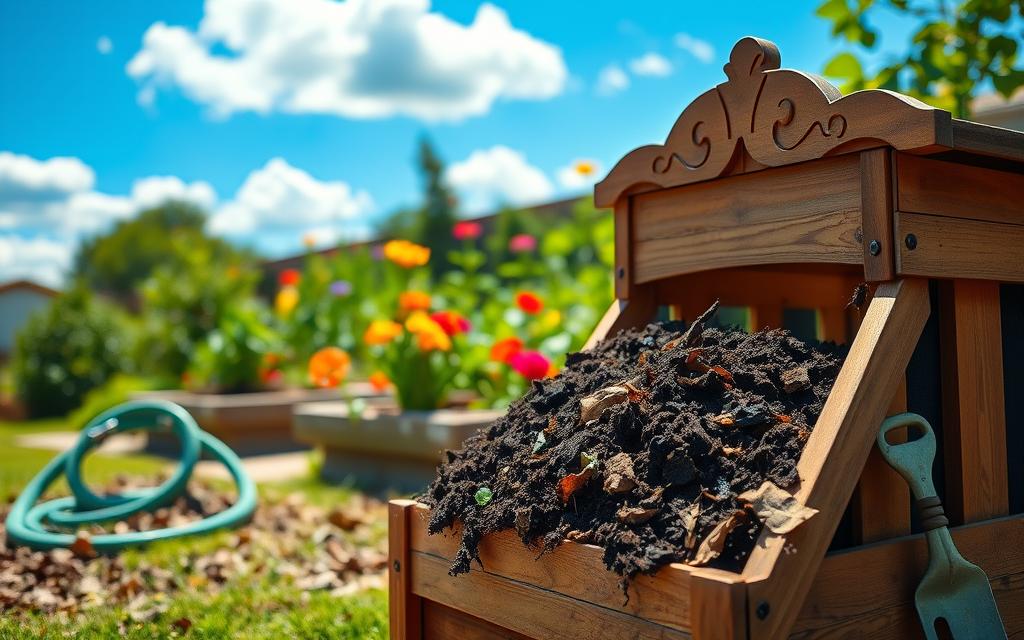
Setting up a compost bin is easy. Pick a spot with some sun and good drainage. Mix green (food scraps) with brown (dry leaves) materials to keep the compost healthy.
Stir the compost every week to speed up the process. Soon, you’ll have rich compost for your garden. Many places offer cheap bins to help you start.
Textile and Clothing Recycling
Fast fashion has led to a big problem with clothes in landfills. Donating clothes is good, but textile recycling helps with the rest. It deals with clothes that can’t be donated.
Beyond Charity Shops: Proper Textile Disposal
Textile recycling facilities sort clothes by type and condition. Good clothes go to second-hand shops, while damaged ones become industrial cloths or insulation. Many brands now take back their clothes.
Look for textile recycling bins or use mail-back services. Make sure clothes are clean and dry to avoid contamination.
Reducing Waste Before Recycling
The best way to help the environment is to make less waste. Waste reduction is key to sustainable living. It tackles problems at the source, not just after.
The Most Sustainable Option: Waste Reduction
Living sustainably means using less. Choose items with less packaging, buy durable things, and say no to plastics. Plan meals and store food well to cut down on waste.
As one advocate says:
“We must think about ways to use less paper and plastic to help cut back on the amount of waste we produce.”
Here are some ways to reduce waste:
- Carry reusable bags, bottles, and containers
- Choose products with minimal packaging
- Repair items instead of buying new
- Borrow or rent things you don’t use often
- Go digital instead of paper
By focusing on reduction, you not only cut waste but also save energy and resources. This is the most impactful step for the environment.
Conclusion
Recycling doesn’t have to be hard. It just needs knowledge and commitment. By knowing local rules and avoiding contamination, you help the environment a lot. Your actions also cut down landfill waste and save resources.
What you do affects more than just your home. When we all recycle together, it brings economic gains and supports a green future. Every time you recycle, you help save energy and materials.
Make recycling a part of your daily life. Always try to reduce waste and reuse items. For tips on recycling plastics, check out Pro Recycling’s local guidelines. Your efforts will make our planet healthier for future generations.

 By
By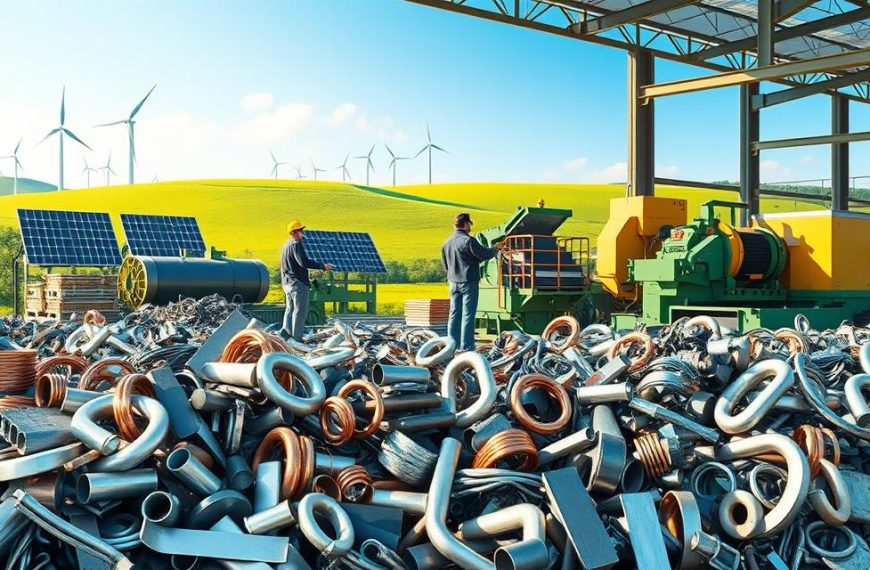
 By
By